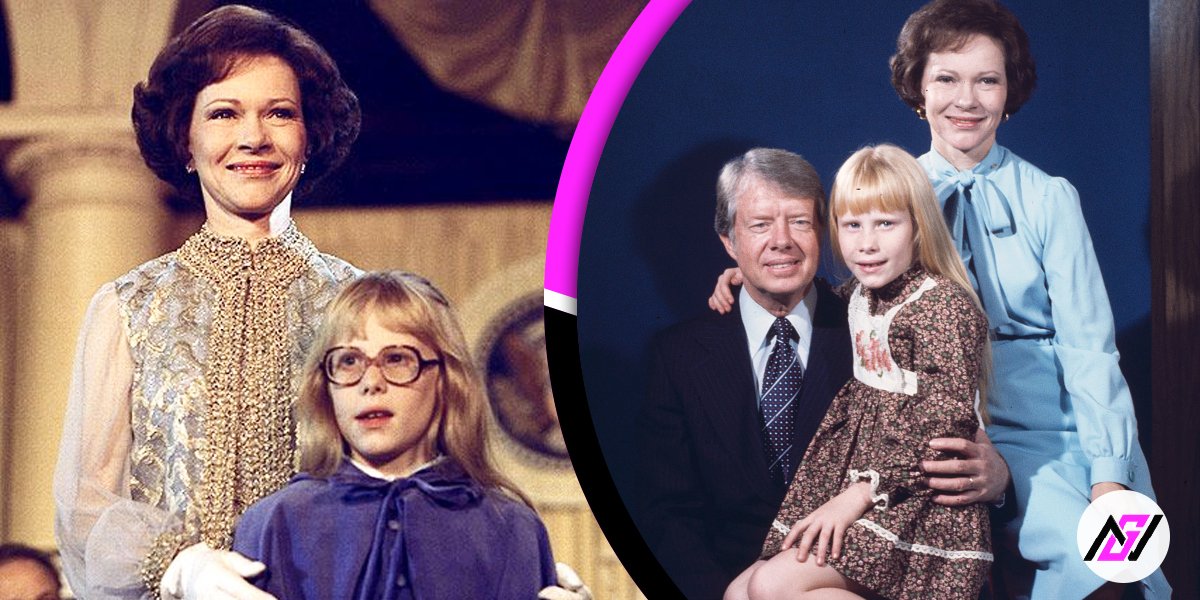

In the inspiring world of American political history, where presidents, first ladies, and their families become part of the national memory, Amy Carter holds a uniquely human place. She was not a celebrity by choice, nor a politician seeking the spotlight, but a young girl who grew up before the eyes of the country when her father, Jimmy Carter, became the 39th president of the United States. Her story is not just about living in the White House; it is about childhood under public attention, education, activism, art, family, privacy, and the quiet strength of choosing a life away from constant fame.
Quick Bio
| Bio Detail | Information |
|---|---|
| Full Name | Amy Lynn Carter |
| Date of Birth | October 19, 1967 |
| Birthplace | Plains, Georgia, United States |
| Age in 2026 | 58 years old |
| Father | Jimmy Carter, 39th U.S. President |
| Mother | Rosalynn Carter, former First Lady |
| Siblings | Jack, Chip, and Jeff Carter |
| Known For | Being the youngest Carter child in the White House |
| Education | Memphis College of Art and Tulane University |
| Profession/Interest | Artist, illustrator, activist, private public figure |
| Children | Two sons |
| Public Style | Private, thoughtful, and low-profile |
Early Life and Family Background
Amy Carter was born into a family deeply rooted in Plains, Georgia, a small town that shaped much of the Carter family’s identity. As the youngest child and only daughter of Jimmy and Rosalynn Carter, she grew up with three older brothers and became the family’s most visible child during her father’s rise in politics. Before the White House years, her life included Georgia family traditions, the atmosphere of public service, and the influence of parents who valued simplicity, faith, education, and humanitarian work. Jimmy Carter’s official biography confirms his Plains background and his presidency, while Rosalynn Carter’s public life was strongly connected with mental health advocacy, caregiving, and women’s rights.
Childhood in the White House
For many Americans, Amy Carter became memorable because she was still a child when she moved into the White House in 1977. She attended public school in Washington, D.C., including Stevens Elementary School, a choice that reflected the Carter family’s preference for a more grounded and ordinary life despite the extraordinary setting around them. White House History records that she enrolled in fourth grade at Stevens Elementary on January 24, 1977, shortly after her father’s inauguration. Her childhood there included pets, books, formal events, and even a treehouse on the South Lawn designed by President Carter himself, small details that made her seem relatable to the public.
Education and Personal Growth
After the White House, Amy Carter continued her education and gradually formed her own identity outside her father’s presidency. Public accounts note that she studied art and later earned a Bachelor of Fine Arts from Memphis College of Art and a master’s degree in art history from Tulane University. Her academic path reflected a creative and thoughtful personality rather than a desire to enter electoral politics. Like many children of famous families, she had to grow beyond the image people had formed of her as a young girl in Washington, and education helped her move toward a more independent adult life.
Activism and Public Voice
Amy Carter became known in young adulthood for political activism, especially during the 1980s. She participated in demonstrations related to apartheid and U.S. foreign policy, showing that she was willing to stand publicly for causes she believed in. One of the most reported moments from that period came when she and other protesters were acquitted after a demonstration connected with opposition to CIA recruitment. Her activism showed a different side of a former first daughter: not simply someone connected to power, but someone prepared to question power and engage with social issues in a direct way.
Art, Books, and Creative Work
Another important part of Amy Carter’s life is her connection to art. She illustrated the children’s book “The Little Baby Snoogle-Fleejer,” written by her father, which gave the public a glimpse of her creative interests. This artistic side fits naturally with her education and her preference for expression away from traditional politics. Rather than building a high-profile media career, she seems to have chosen selective public involvement and personal creativity. That makes her different from many political family members who turn public recognition into a long-term platform. Her story suggests that meaningful influence can also be quiet, artistic, and personal.
Marriage, Children, and Private Life
In her adult life, Amy Carter has mostly stayed out of the spotlight. Public reports state that she married James Gregory Wentzel in 1996 and had a son, Hugo James Wentzel, in 1999; later, after that marriage ended, she married John Joseph “Jay” Kelly, with whom she has another son. Because she has chosen privacy, many details about her daily life are not widely publicized, and that privacy should be respected. What is clear is that she did not pursue constant fame after growing up in one of the most visible homes in America.
Relationship With Her Parents
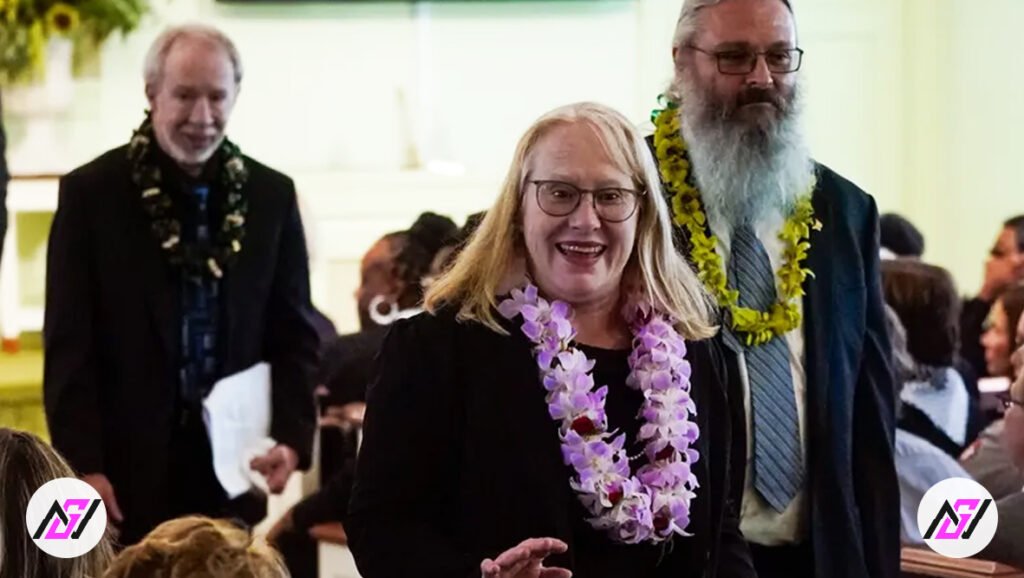
Amy Carter was also part of some of the Carter family’s most emotional public moments in later years. Rosalynn Carter died on November 19, 2023, at age 96, and Jimmy Carter died on December 29, 2024, at age 100. During Rosalynn’s memorial service, their daughter read a letter that Jimmy had written to Rosalynn decades earlier, a moment that reminded many people of the family’s deep bond. Her presence during these tributes showed not only her role as a former first daughter but also her place as a daughter honoring two parents whose marriage and public service became part of American history.
Public Image and Privacy
One of the most interesting things about her life is how carefully she stepped away from celebrity culture. Unlike many people connected to famous families, she did not turn her childhood fame into a constant public brand. She has appeared occasionally in public, including at events connected to presidential history, but she generally lives quietly. In 2025, she made a rare public appearance connected with a presidential pets exhibit featuring her White House cat, Misty Malarky Ying Yang, reminding people of one of the softer memories from her childhood years.
Why Her Story Still Matters
What makes Amy Carter interesting is not only that she lived in the White House, but that she lived beyond it on her own terms. Her life touches several themes that still matter today: how children experience political fame, how public families handle privacy, how activism can shape young adulthood, and how personal identity develops after national attention fades. She represents a quieter kind of historical figure, someone remembered not for chasing attention but for growing up, speaking out when moved by conscience, creating art, raising a family, and protecting her private world.
Conclusion
Amy Carter’s life is a compelling example of growing up at the intersection of history, public attention, and personal choice. From her childhood in the White House to her adult pursuits in art, activism, and family life, she has carefully balanced the legacy of being a president’s daughter with her own individuality. Rather than seeking constant fame, she chose a path defined by creativity, thoughtful engagement, and privacy, showing that living in the spotlight does not have to dictate one’s identity. Her story reminds us that the most meaningful influence can come quietly, through personal growth, values, and the everyday choices that define a life well-lived.
FAQs
Who is Amy Carter?
She is the only daughter and youngest child of President Jimmy Carter and First Lady Rosalynn Carter. She became widely known as a child because she lived in the White House during her father’s presidency from 1977 to 1981.
How old is she in 2026?
She was born on October 19, 1967, which makes her 58 years old in 2026.
What is she known for?
She is best known for being President Jimmy Carter’s daughter, growing up in the White House, attending public school in Washington, becoming involved in activism, and later living a mostly private life.
Did she work in politics?
She did not become an elected politician, but she was active in protests and social causes as a young adult. Her public identity has been more connected to activism, art, family, and privacy than political office.
Where is she today?
Public information suggests she has continued to live a low-profile life with her family. Because she values privacy, reliable details about her current daily routine are limited, and most coverage focuses on her family history and occasional public appearances.