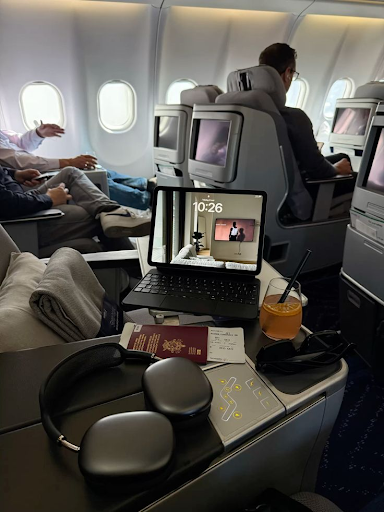

Over the past few years, I’ve noticed a significant shift in the way companies approach business travel. Not long ago, corporate trips were often planned around simple objectives: attend a meeting, close a deal, or participate in a conference. Today, the expectations are much higher. Companies want every trip to deliver measurable value, while employees expect smoother experiences that support both productivity and well-being. As organizations expand across regions and international markets become increasingly connected, business travel remains an essential part of growth. However, the way companies plan and manage travel has evolved dramatically. The focus is no longer just on getting employees from one destination to another. Instead, businesses are looking for ways to improve efficiency, control costs, and create better travel experiences.
The Shift From Travel Activity to Travel Purpose
One trend I keep seeing is that organizations are becoming far more selective about when employees travel. In the past, some meetings automatically resulted in a trip. Today, companies often ask a simple question before approving travel: Is this journey worth the investment? Virtual meetings have become a permanent part of business operations, but they have not eliminated the need for face-to-face interaction. Certain situations still benefit greatly from in-person communication, including:
- Client relationship building
- Contract negotiations
- Industry events
- Team workshops
- Executive planning sessions
Because of this, modern business travel is becoming more purposeful. Companies are traveling less frequently in some cases, but they expect stronger outcomes from every approved trip.
Productivity Starts Before the Meeting
In my experience, many businesses underestimate how much travel logistics affect employee performance. A traveler who arrives exhausted after multiple layovers may not perform at their best during an important presentation. Similarly, poor accommodation choices or inconvenient transportation can negatively affect productivity throughout the trip. That is why companies are paying closer attention to the complete travel experience. Successful business travel now includes:
- Efficient flight schedules
- Convenient hotel locations
- Reliable transportation
- Flexible booking options
- Quick itinerary adjustments
The goal is to help travelers arrive prepared rather than stressed.
Why Accommodation Choices Matter More Than Ever
Accommodation is one area where travel decisions can have a major impact on the overall experience. When employees stay in locations that provide comfort, convenience, and easy access to business districts, they often perform better throughout their trip. I have seen many organizations prioritize properties that support both work and relaxation. For travelers visiting China’s popular coastal destinations, options such as Grand Hyatt Sanya often attract attention because they combine professional facilities with a comfortable environment. While business objectives remain the primary focus, companies increasingly recognize that traveler well-being contributes directly to performance. This reflects a broader trend within modern business travel planning, where accommodation is viewed as part of the productivity equation rather than simply a cost category.
The Growing Role of Technology
One of the biggest changes I have observed is the growing influence of technology in travel management. Manual booking processes, email approvals, and scattered travel records create unnecessary complexity. Businesses today want faster, more connected systems that simplify the entire process. Modern travel platforms help organizations manage:
- Flight bookings
- Hotel reservations
- Travel approvals
- Expense tracking
- Policy compliance
- Reporting and analytics
Instead of relying on multiple systems, companies can manage travel through a more centralized approach. Platforms such as Trip.Biz reflect this industry shift by helping businesses streamline travel planning while maintaining visibility over spending and traveler activity.
Cost Control Without Sacrificing Experience
Many organizations still face budget pressure, but I’ve noticed that cost reduction strategies have become more sophisticated. In the past, companies often focused exclusively on finding the cheapest available option. Today, travel managers understand that the lowest price does not always create the best outcome. For example, choosing a slightly more expensive direct flight may save valuable working hours. Booking a hotel closer to meeting locations can reduce transportation expenses and improve efficiency. Modern business travel strategies focus on optimizing value rather than simply minimizing costs. This balanced approach helps companies protect budgets while maintaining a positive traveler experience.
Traveler Expectations Have Changed
Employees now expect business travel experiences that are similar to the convenience they enjoy in their personal lives. They want:
- Mobile booking access
- Real-time updates
- Faster approvals
- Flexible itineraries
- Easy expense reporting
Organizations that fail to meet these expectations may experience lower satisfaction among frequent travelers. I’ve noticed that companies paying attention to traveler experience often see better compliance with travel policies because employees are more willing to use approved systems when they are easy to navigate.
Data Is Driving Smarter Decisions
Another area that has transformed significantly is travel reporting. Companies no longer want to simply know how much they spent. They want to understand:
- Which routes generate the highest costs
- Which departments travel most frequently
- Where policy violations occur
- Which suppliers provide the best value
Data allows businesses to improve future decisions and create more effective travel programs. The ability to turn travel information into actionable insights has become a major advantage for organizations managing frequent travel activity.
Preparing for the Future of Corporate Mobility
Looking ahead, I believe business travel will continue becoming more strategic. Organizations will likely rely more heavily on automation, predictive analytics, and integrated travel management systems. Sustainability considerations may also play a larger role in travel planning as companies evaluate the environmental impact of employee mobility. At the same time, face-to-face interaction will remain valuable for relationship building and business growth. Whether arranging meetings in destinations featuring properties like grand hyatt sanya or planning international conferences elsewhere, the challenge for companies will be finding the right balance between efficiency, traveler satisfaction, and financial control.

Conclusion
Business travel in 2026 is no longer simply about booking flights and hotels. It has become a strategic business function that supports growth, collaboration, and operational efficiency. From what I have seen, the most successful organizations are those that view travel as an investment rather than just an expense. They focus on traveler experience, leverage technology, make smarter spending decisions, and ensure that every trip serves a clear purpose. Whether it involves selecting the right accommodation, utilizing platforms like Trip.Biz, or creating more flexible travel policies, modern companies are redefining what successful business travel looks like. Those that adapt to these changes will be better positioned to maximize the value of every journey.
Frequently Asked Questions
Why is business travel still important in 2026?
Business travel remains important for client relationships, negotiations, networking, training, and strategic collaboration that often benefit from face-to-face interaction.
How can companies improve business travel efficiency?
Organizations can improve efficiency through centralized booking systems, better travel policies, data-driven planning, and integrated travel management platforms.
Why do accommodation choices matter during business travel?
Comfortable and conveniently located accommodations can improve productivity, reduce travel stress, and support better meeting performance.
How does Trip.Biz support business travel?
Trip.Biz helps businesses manage bookings, travel planning, approvals, and travel-related processes through a more streamlined and centralized approach.
What is the biggest trend in business travel today?
One of the biggest trends is the shift toward purpose-driven travel, where every trip is evaluated based on its business value and expected outcomes.