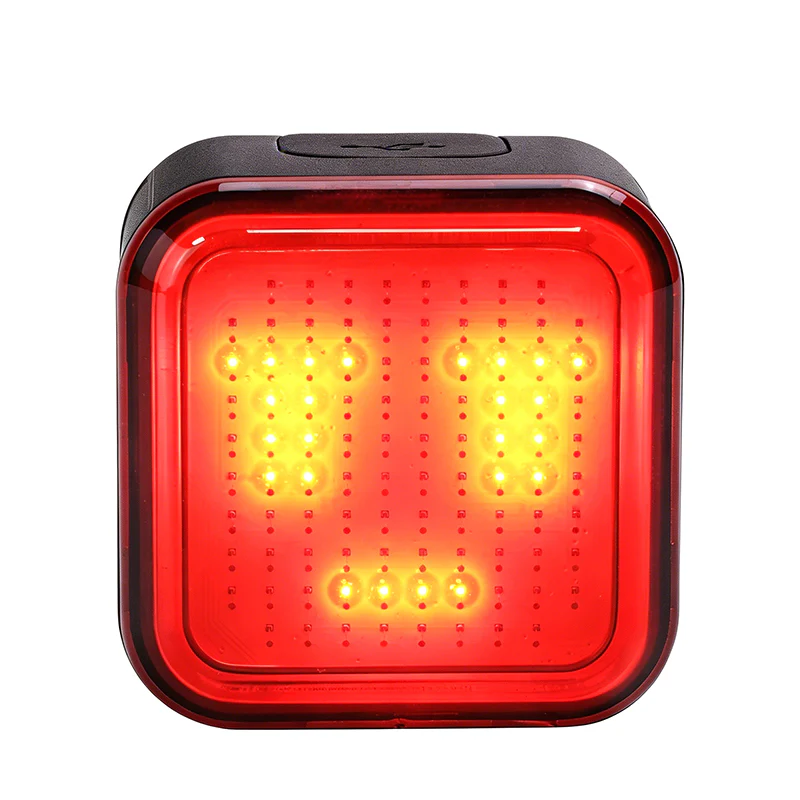

Cycling during early mornings, evenings, or nighttime can be a peaceful and enjoyable experience. The roads are quieter, the air feels fresher, and the ride often becomes more relaxing. However, reduced visibility during these hours also increases the risk of accidents. That’s where having the right lighting setup becomes essential. A bike tail light and a bike front light are not just accessories—they are critical safety tools that every cyclist should use.
Understanding the Role of Bike Lights
When it comes to cycling safety, visibility works both ways. You need to clearly see the road ahead, and others must be able to see you from a distance. This is why relying on just one light is not enough.
A bike front light helps illuminate your path, allowing you to spot obstacles, potholes, or sudden turns. On the other hand, a bike tail light ensures that vehicles approaching from behind can easily detect your presence. Together, these two lights create a complete safety system that protects you from both front and rear hazards.
Why You Should Always Use Both Lights Together
Many cyclists make the mistake of using only a front light, assuming it’s enough. While a front light helps you navigate, it does little to make you visible from behind. Similarly, using only a bike tail light may alert others of your presence but leaves you struggling to see the road ahead.
Using both a bike front light and a bike tail light together provides balanced visibility. This combination significantly reduces the chances of accidents, especially in traffic or poorly lit areas. It also makes your movements predictable to other road users, which is a key factor in preventing collisions.
Features That Make a Great Bike Front Light
Choosing the right bike front light can greatly enhance your riding experience. One of the most important features is brightness. A powerful front light allows you to see clearly even on dark roads with no streetlights. Look for lights with adjustable brightness levels so you can adapt to different environments.
Beam pattern is another important factor. A wide beam helps cover more area, while a focused beam allows you to see further ahead. Modern bike front lights often combine both for maximum efficiency.
Battery life also matters, especially for long rides. Rechargeable lights with USB charging are convenient and cost-effective. Some models even come with battery indicators, so you always know when it’s time to recharge.
What to Look for in a Bike Tail Light
A bike tail light should be bright enough to grab attention without being distracting. Most tail lights come with flashing modes, which are highly effective in making you noticeable from a distance. Flashing lights naturally catch the eye, making them ideal for busy roads.
Another useful feature is visibility angle. A good bike tail light should be visible not only from directly behind but also from the sides. This is particularly helpful at intersections where vehicles approach from different directions.
Durability is equally important. Since tail lights are exposed to dust, rain, and vibrations, choosing a water-resistant and sturdy model ensures long-lasting performance.
Daytime Use of Bike Lights
While many people associate bike lights with nighttime riding, they are equally useful during the day. Bright sunlight can create shadows and blind spots, making it harder for drivers to notice cyclists. Using a bike front light and a bike tail light in flashing mode during the day increases your visibility and reduces the risk of accidents.
Daytime running lights are becoming increasingly popular among cyclists who prioritize safety. This simple habit can make a big difference, especially in urban traffic.
Common Mistakes Cyclists Should Avoid
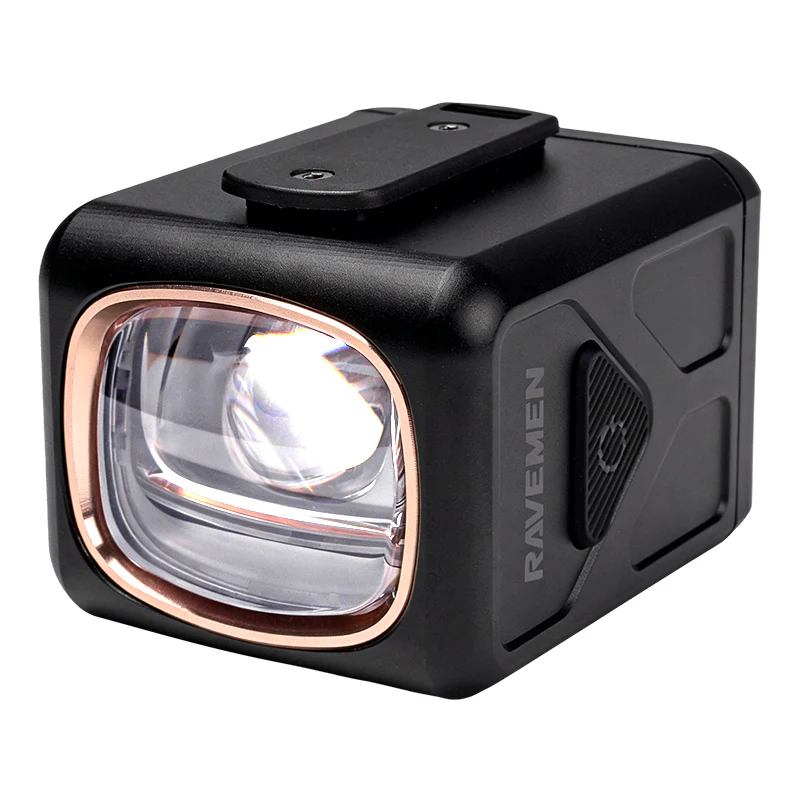
Even with the best equipment, improper use can reduce effectiveness. One common mistake is positioning the lights incorrectly. A bike front light should be angled slightly downward to illuminate the road without blinding oncoming traffic. A bike tail light should be mounted at a height where it is clearly visible to drivers behind you.
Another mistake is neglecting battery maintenance. A dead light is as good as no light at all. Always check your lights before starting a ride to ensure they are fully charged or have fresh batteries.
Some riders also forget to adjust light modes according to conditions. For example, using a steady beam in heavy traffic may not be as effective as a flashing mode in grabbing attention.
Benefits Beyond Safety
While safety is the primary reason for using a bike tail light and bike front light, there are additional benefits as well. Good lighting boosts your confidence, allowing you to ride comfortably in different conditions. It also expands your riding schedule, giving you the freedom to cycle early in the morning or late at night.
Modern bike lights are designed to be lightweight and stylish, adding to the overall look of your bicycle. With sleek designs and easy mounting systems, they blend seamlessly with your setup.
Choosing the Right Setup for Your Needs
The ideal lighting setup depends on how and where you ride. For city commuting, a moderately bright front light combined with a flashing tail light is usually sufficient. For off-road or rural riding, you may need a more powerful front light with a longer beam range.
If you frequently ride in changing conditions, consider lights with multiple modes and adjustable brightness. This flexibility allows you to adapt quickly and stay safe in different environments.
Conclusion
A bike tail light and a bike front light together form the foundation of safe cycling. They ensure that you can see clearly and be seen by others, which is essential for avoiding accidents. Investing in high-quality lights and using them properly can transform your riding experience, making it safer, more comfortable, and more enjoyable.
No matter your skill level or riding style, never compromise on visibility. Equip your bike with both a reliable bike front light and a bright bike tail light, and ride with confidence wherever the road takes you.