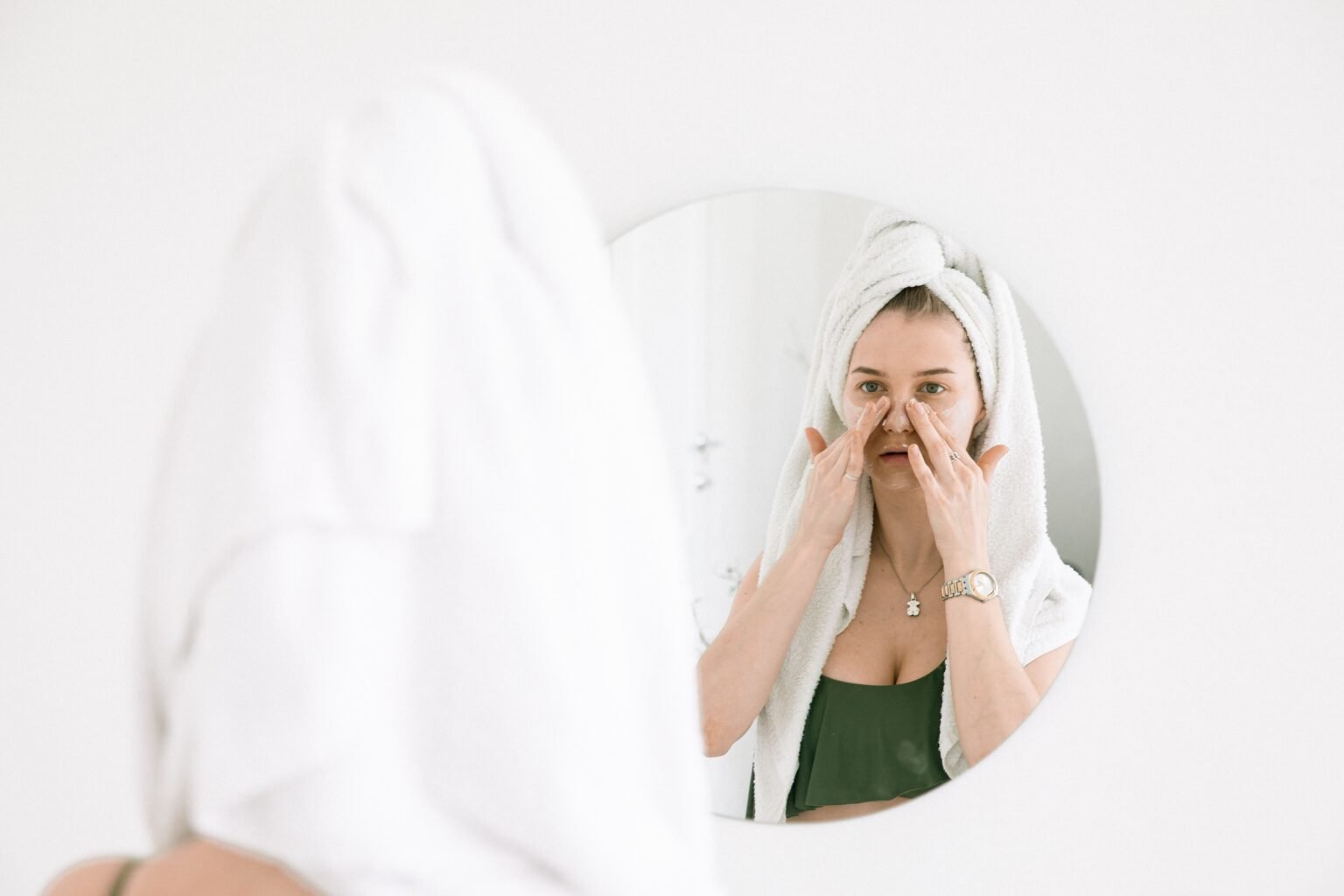

The most effective clean beauty swaps in 2026 replace synthetic daily staples with performance-equivalent alternatives, prioritizing human hair toppers, hydroxyapatite toothpastes, active botanical skincare, aluminium-free deodorants, 10-free nail treatments, and phthalate-free fragrances.
Replacing conventional items across these core categories reduces daily chemical exposure without requiring a complete routine overhaul. With global market data projecting the clean personal care sector will exceed $14 billion by the end of the year, consumers are increasingly reading cosmetic labels with the exact scrutiny they apply to food packaging.
Making these substitutions often introduces initial friction because conventional formulas dominate retail shelves, making non-toxic personal care products harder to source locally.
Switching requires navigating a physical transition period where the body adjusts to new ingredients. However, targeting specific high-exposure products allows you to bypass the overwhelming process of discarding an entire bathroom cabinet at once.
1. Synthetic Haircare to Human Hair Toppers
Conventional volumising sprays and dry shampoos rely on aerosol propellants, synthetic polymers, and silicone-based adhesives that sit directly on the scalp. While these formulas provide immediate lift, they mask underlying structural changes without addressing the root cause.
Clinical research indicates that noticeable hair thinning affects a significant portion of men and women by age 50, driving demand for physical interventions.
For this growing demographic, relying on synthetic product buildup exacerbates scalp irritation and follicle blockage over time. Trading chemical styling products for premium physical coverage provides immediate volume while allowing the scalp to breathe.
Premium hair pieces crafted from 100% European human hair integrate with existing biological hair, offering multidirectional styling capabilities and an undetectable hairline.
Women making this transition describe it as a significant practical upgrade, and curated collections like Daniel Alain’s natural-looking hair toppers demonstrate exactly why material quality matters.
Alternative brands and customized salon pieces also offer viable natural hair solutions for thinning hair, giving consumers multiple avenues to bypass daily aerosol application. A high-quality physical hair piece restores aesthetic density through real texture, eliminating the sticky residue left by chemical reapplication.
2. Conventional Toothpaste to Hydroxyapatite Formula
Mainstream dental care products consistently utilize synthetic foaming agents like sodium lauryl sulfate, artificial sweeteners, and fluoride to clean teeth. While these ingredients remain widely accepted in conventional dentistry, biological dentists and ingredient-conscious consumers actively question their long-term cumulative effects.
Transitioning away from these standard formulations requires a scientifically validated alternative that protects enamel without introducing unnecessary synthetic compounds into the highly absorbent tissues of the mouth.
The most effective substitution utilizes hydroxyapatite, a naturally occurring mineral that physically makes up the vast majority of human tooth enamel. Japanese dental professionals have utilized this mineral clinically for over 40 years, and it is now driving significant consumer search growth for fluoride-free toothpaste UK and US options.
The non-toxic fluoride-free toothpaste from Wellnesse stands as a hydroxyapatite-powered, dentist-recommended formula that helps families make this swap without compromising on cavity protection.
Brands utilizing micro-hydroxyapatite deliver clinical performance by directly remineralizing microscopic surface defects and strengthening the overall tooth structure. Independent market data shows a significant number of households have already transitioned to these mineral-based pastes, validating their efficacy in everyday applications.
This specific formulation reduces thermal sensitivity and supports beneficial oral bacteria, framing the switch as a direct performance upgrade rather than a compromise.
| Key Insight: Over a million households have already switched to hydroxyapatite toothpaste, proving mineral-based formulas deliver real cavity protection without fluoride. |
3. Chemical-Heavy Skincare to Active Botanicals
Standard anti-aging creams frequently rely on synthetic preservatives like parabens, pore-clogging silicones, and undisclosed synthetic fragrances to mask chemical odors.
The skin absorbs these compounds daily through repeated application, creating a cumulative chemical load that can disrupt the natural moisture barrier. Upgrading to clean active formulations eliminates these irritants while substituting them with plant-derived emollients and clinically tested peptides that actively repair cellular damage.
This substitution proves crucial when navigating clean beauty for women over 40, as skin naturally produces less sebum and requires barrier-supportive ingredients to maintain elasticity.
Clean skincare formulators utilize botanical actives like bakuchiol in place of harsh retinols, delivering measurable hydration retention and visible radiance without the associated peeling. Targeting the moisture barrier with biocompatible ingredients reduces chronic sensitivity while ensuring active compounds penetrate effectively.
| Pro Tip: Upgrade to clean active formulations with botanical actives like bakuchiol to boost hydration retention and radiance without the harsh peeling of retinols. |
4. Traditional Deodorant to Aluminium-Free Options
Traditional antiperspirants function through a blunt physiological mechanism by utilizing aluminium salts to physically plug sweat ducts and prevent moisture release. Applying these metallic compounds daily to the lymph-node-adjacent underarm area has attracted intense scrutiny from researchers tracking localized chemical accumulation.
Transitioning to an aluminium-free alternative stands as a logical priority in any toxic-free beauty routine, shifting the focus from blocking sweat to neutralizing odor-causing bacteria.
Modern clean deodorants operate via mineral-based neutralisation, utilizing ingredients like magnesium hydroxide or arrowroot powder to absorb moisture naturally. Consumers making this switch will experience a distinct biological transition period lasting two to four weeks as the sweat glands adjust to the absence of physical blockers.
Contemporary clean formulas have closed the historical efficacy gap, providing reliable daily protection once the body completes this adjustment phase.
| Important: Expect a two- to four-week biological transition period when switching to aluminium-free deodorant, as sweat glands adjust to the absence of physical blockers. |
5. Harsh Nail Treatments to 10-Free Formulas
Conventional nail polish and gel treatments carry aggressive chemical profiles, routinely utilizing formaldehyde, toluene, and dibutyl phthalate as bonding agents. These specific solvents actively off-gas during application, degrading indoor air quality and exposing the respiratory system to volatile organic compounds.
Opting for 10-free formulas removes these specific toxins from the ingredient list, offering the lowest-friction transition among these common cosmetic updates.
Modern low-toxin nail brands utilize alternative bonding agents that deliver the exact same application process, color payoff, and chip-resistant longevity as their chemical-heavy predecessors.
By eliminating known endocrine disruptors from your manicure process, you significantly reduce chemical exposure in enclosed spaces while maintaining a polished aesthetic.
6. Mainstream Fragrance to Phthalate-Free Scent
Current cosmetic labeling regulations allow manufacturers to group hundreds of undisclosed synthetic compounds and known allergens under the single ingredient declaration of fragrance or parfum.
This regulatory loophole exposes consumers to synthetic musks that act as chemical fixatives, leading to documented cases of contact dermatitis, chronic headaches, and daily respiratory irritation. Recognizing these physical reactions prompts many consumers to abandon traditional department store perfumes in favor of transparently formulated alternatives.
Clean fragrance houses prioritize phthalate-free, allergen-disclosed formulations that list every individual botanical extract and safe synthetic component. The resulting perfumes offer comparable scent complexity, distinct top notes, and skin-level longevity without the harsh chemical dry-down that triggers physical sensitivities.
Choosing a transparent fragrance formulation shifts the daily application from an unregulated chemical exposure event into a deliberate, safely considered morning ritual.
The Bottom Line
Replacing a daily chemical spray or synthetic paste with a clean alternative reduces your overall exposure to synthetic additives, allowing you to manage environmental toxins through incremental substitutions.
Choosing a premium human hair topper serves as a lasting alternative to daily chemical volumizers for those navigating thinning, just as switching to a dentist-backed hydroxyapatite paste upgrades daily oral hygiene.
You do not need to discard every conventional item in your cabinet today to see tangible physiological benefits tomorrow. Establishing a reliable daily regimen begins with identifying the single product you apply most frequently.
Pick one category, research the ingredient labels, make the substitution, and let that initial choice set the standard for your personal care decisions moving forward.