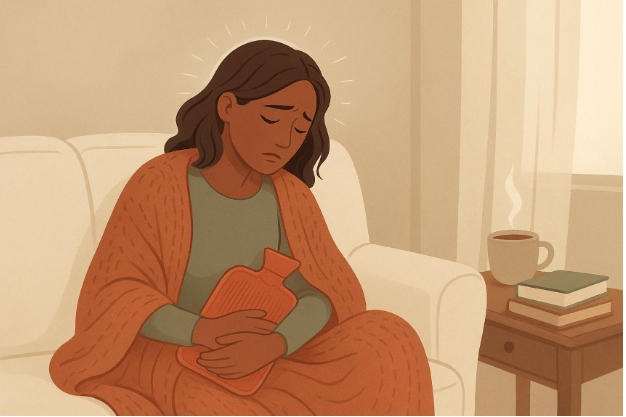

Knowing your menstrual cycle is more than marking the day your next period should start. It’s a way to understand your body’s natural pattern and use that knowledge to support your physical and mental health. Menstrual cycle awareness means paying attention to hormone changes across the month and noticing how they affect your mood, energy, body feelings, and focus.
When you learn your own patterns, you can plan ahead for tougher days, set up your routines in a way that fits you, and treat yourself with more patience. Over time, this can turn a cycle that feels unpredictable into something you can understand and work with.
If you want extra help learning your cycle, working with a cycle coach can give you personal support and clear next steps.
What Is Menstrual Cycle Awareness?
The menstrual cycle is driven by hormone levels that rise and fall, mainly estrogen and progesterone. If you menstruate, this cycle is a regular part of life for many years, and it can tell you a lot about your overall health. Menstrual cycle awareness is the habit of noticing the different parts of your cycle and how they affect your whole body and mind.
Phases of the Menstrual Cycle
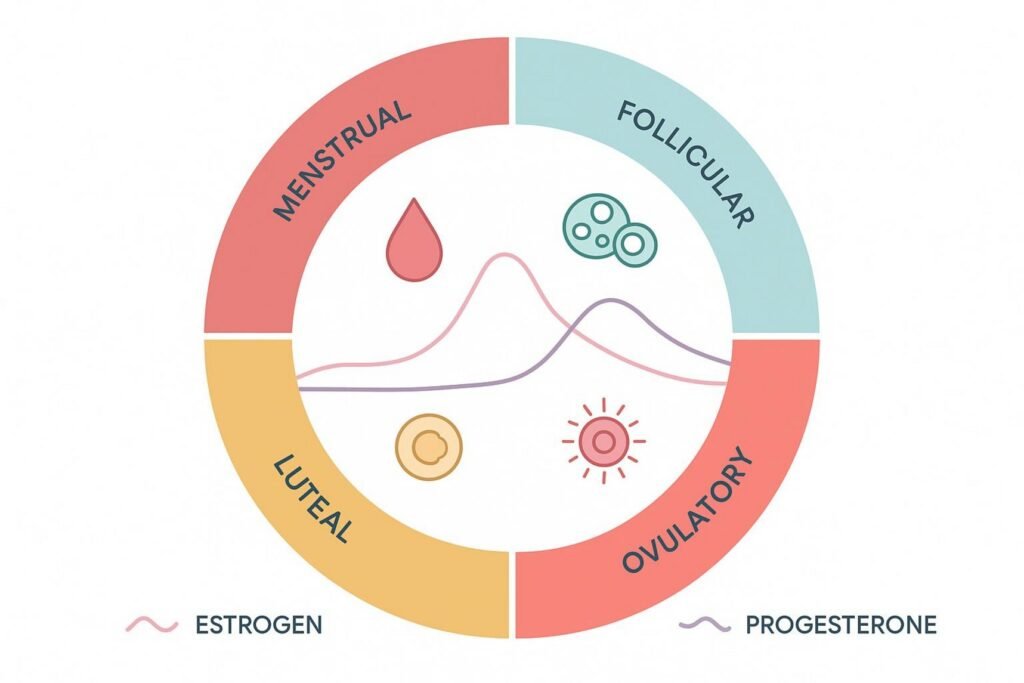
Many people talk about the cycle in four main phases (even though real cycles can vary a lot from person to person):
- Menstrual phase (your period): This is when the uterine lining sheds. It often lasts about 5 days. Estrogen and progesterone are low.
- Follicular phase: After your period ends, estrogen starts to rise as follicles grow in the ovaries. Many people feel more motivated and clear-headed in this phase.
- Ovulatory phase: Estrogen reaches a high point, which triggers ovulation (release of an egg). This is the most fertile time.
- Luteal phase: After ovulation, progesterone rises. If pregnancy does not happen, both progesterone and estrogen drop quickly near the end of this phase, and a new period begins. Many premenstrual symptoms show up here.
Why Awareness Matters for Wellbeing
Menstrual cycle awareness is not just “interesting information.” It can help with daily life. When you know what phase you’re in, you may be able to predict changes in energy, mood, and comfort. For example, if you know you often feel tired or irritable right before your period, you can respond with kindness instead of blaming yourself.
A study published in npj Women’s Health in April 2026 reported higher stress sensitivity and lower sociability during the peri-menstrual phase. This supports what many people already feel: the cycle can affect mental health and personality in repeating patterns.
Awareness can also help you plan better, like doing harder tasks during higher-energy phases and leaving more space for rest when you usually feel lower. It can explain why sleep might change, why emotions feel stronger, or why cravings show up. Many women say cycle tracking gives them clarity and helps them tell the difference between hormone-related mood changes and other emotional issues.
How Hormones Influence Physical and Mental Health
Hormones across the menstrual cycle affect much more than the reproductive system. They can change brain chemistry, energy, sleep, pain levels, and emotions.
Hormonal Changes Across the Cycle
At the start of the cycle, estradiol (a type of estrogen) and progesterone are low. During the follicular phase, estradiol rises and peaks just before ovulation. Many people connect this high-estrogen time with better mood, more confidence, and higher sex drive.
After ovulation, progesterone increases and often peaks mid-luteal phase (along with some estradiol). Then, in the days before your period, both hormones drop quickly. These shifts can affect neurotransmitters like serotonin, GABA, and dopamine, which play a role in mood, sleep, and energy.
Physical Symptoms: What to Expect
Your body often gives hints that hormone levels are changing. Common physical symptoms include:
- fatigue
- bigger appetite or cravings
- bloating
- trouble sleeping
- breast tenderness
- headaches
- joint or muscle pain
These tend to be more common in the premenstrual and menstrual phases. Changes in estrogen can also be linked to bloating and acne.
Menstrual pain (dysmenorrhoea) is also very common. For some people it’s mild, but for others it can be so painful that it disrupts work, school, and social life. Physical symptoms like bloating and feeling “heavy” can also affect body image and confidence.
Mood, Emotions, and Cognitive Effects
Hormone changes can strongly affect the brain. Many people notice mood shifts such as sadness, anxiety, irritability, or feeling more sensitive, especially before their period. The 2026 npj Women’s Health study also found more stress sensitivity and less sociability around the peri-menstrual phase. Some people describe this time as feeling easily triggered, pessimistic, or unlike themselves.
Thinking and focus can change too. “Brain fog,” poor concentration, and lower interest in daily tasks are common reports. For many, getting their period brings relief because it helps them understand why they felt emotionally or mentally off in the days before.
The Link between the Menstrual Cycle and Mental Health Disorders
For some people, the cycle can make existing conditions worse. This is called Premenstrual Exacerbation (PME). It can affect depression, anxiety, chronic pain, IBS, asthma, and ADHD, among others. During the premenstrual phase, symptoms may feel stronger or harder to manage, and medication may seem less helpful.
There is also Premenstrual Dysphoric Disorder (PMDD), a serious condition tied directly to the cycle. Research suggests that changes in personality traits across the cycle can happen before mental health symptoms change, which shows how closely hormones and mental wellbeing can be linked.
Common Menstrual-Related Challenges and Conditions
Some people have mild symptoms, but others deal with conditions that need more support. Knowing the difference can help you get the right care.
Premenstrual Syndrome (PMS)
PMS is a set of physical and emotional symptoms that usually show up in the luteal phase (often 1-2 weeks before the period) and ease soon after bleeding starts. It’s very common: about 9 out of 10 menstruating people feel some symptoms.
Symptoms may include:
- irritability
- tiredness
- sadness or low mood
- appetite changes
- bloating
- breast tenderness
When symptoms seriously affect everyday life, PMS may be diagnosed, affecting about 1 in 4 people. The exact cause isn’t fully clear, but it is linked to the hormone drop that happens near the end of the luteal phase.
Premenstrual Dysphoric Disorder (PMDD)
PMDD is a more severe form of premenstrual symptoms and affects around 4 in 100 menstruating people. It is a serious mood disorder with symptoms such as:
- severe mood swings
- intense irritability or anger
- deep depression
- anxiety
- trouble concentrating
- suicidal thoughts
PMDD can heavily disrupt relationships, work, and daily life. It is not “just PMS” and needs medical care. Treatment may include lifestyle changes, SSRIs, or hormone-based treatments. Many researchers believe people with PMDD are more sensitive to normal hormone changes, especially progesterone and estrogen shifts.
Premenstrual Exacerbation (PME) of Existing Conditions
PME is different from PMDD. It means an existing condition gets worse before a period. This can include:
- migraines
- asthma
- seizure disorders
- depression
- general anxiety
- bipolar disorder
- ADHD
With PME, the condition exists all month, but symptoms become harder right before menstruation. Spotting PME can help with planning therapy, changing coping strategies, or adjusting medication timing with medical guidance.
How Menstrual Cycle Awareness Improves Wellbeing
Cycle awareness is a form of self-care and self-advocacy. Instead of feeling like the cycle “happens to you,” you learn how your body works and how to support it.
Spotting Patterns and Predicting Symptoms
A major benefit is seeing patterns. If you track mood, energy, and symptoms for a few cycles, you may notice the same changes happen around the same time each month. That can help you move away from feeling confused or blindsided.
For example, if you often feel more stressed or low-energy around your period, knowing that ahead of time lets you plan rest, reduce pressure, and prepare support. This can lower worry and help you feel more in control.
Benefits of Self-Tracking and Journaling
Tracking can be as simple as writing notes on a calendar or using an app. The goal is to collect useful information, like:
- when symptoms start and end
- how strong they are
- what helps
- what makes them worse
Many women say tracking helps them plan life, support fertility goals, and understand emotional changes. Some find it “validating.” One user shared: “Tracking helped me realize my mood swings weren’t random. I brought the Clue data to my therapist, and we were able to diagnose PMDD and find a treatment that works for me.” Information like this can help you make better decisions and adjust your habits to fit your cycle.
Reducing Shame, Guilt, and Self-Blame
Periods are still treated as “taboo” in many places. That can lead to hiding symptoms, feeling embarrassed, or pushing through pain. Cycle awareness can push back against that. When you understand that cravings, mood shifts, or fatigue have a physical cause, it can be easier to respond with kindness instead of guilt. This mindset change can support mental health and reduce harsh self-judgment.
Enhancing Communication with Health Providers and Loved Ones
Tracking also helps you explain symptoms clearly to a healthcare provider. Instead of saying “I feel bad sometimes,” you can show when symptoms happen, how long they last, and how much they affect your day. This can support better diagnosis and treatment. Many women say they have felt dismissed when bringing up period concerns, and clear records can help you be taken seriously.
It can also help in personal relationships. If you share your patterns with friends, family, or a partner, they may understand your needs better during different phases. That can build empathy and stronger support, like giving you more space to rest premenstrually or being more patient during a difficult week.
Practical Approaches for Managing Physical and Mental Symptoms
Knowing your cycle helps, but using that knowledge day to day is what improves quality of life. These approaches can help reduce symptoms.
Diet, Nutrition, and Hydration
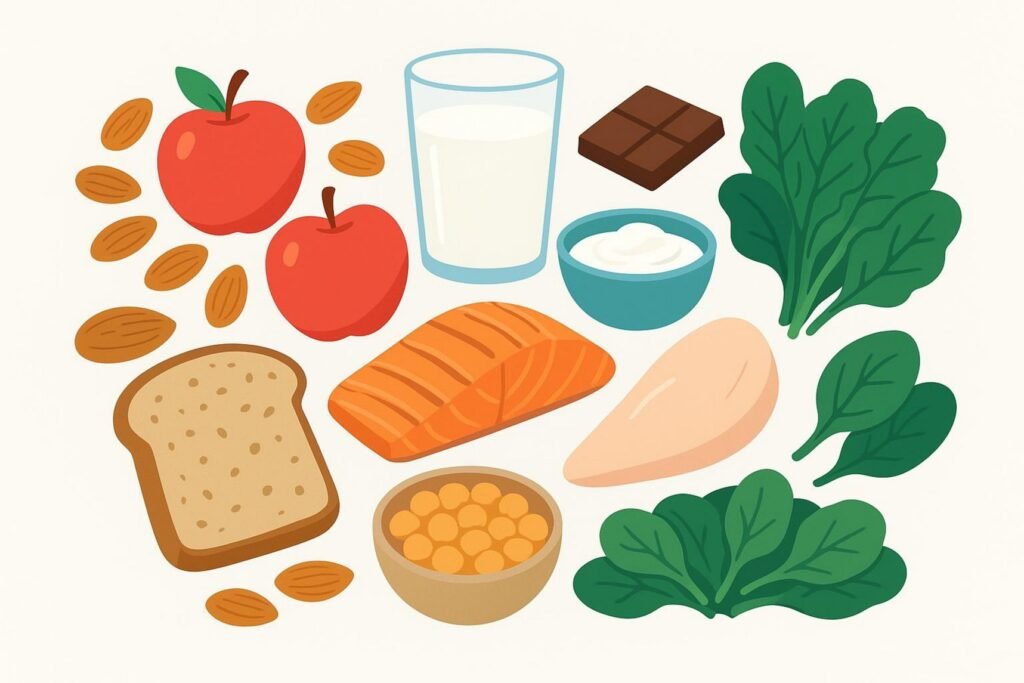
Food and drink can affect bloating, mood, energy, and cravings. Instead of leaning heavily on sweets and starchy snacks (which can worsen bloating and irritability for some), aim for balanced meals.
Helpful basics include:
- Fiber: almonds, apples, whole grains (can help bloating and digestion)
- Lean protein: fish, chicken, chickpeas (can help steady blood sugar and reduce cravings)
- Key nutrients: calcium, magnesium, iron, vitamins E, B6, and B12 (often linked with PMS support)
If you have heavy periods, iron-rich foods matter even more because low iron can cause fatigue and brain fog. Drinking enough water can also help with tiredness and supports general body function, including hormone processes.
Exercise and Movement by Cycle Phase
Movement can reduce cramps and support mood because it boosts endorphins. The main idea is to match exercise to how you feel.
- Lower-energy phases (premenstrual/menstrual): walking, yoga, Pilates, gentle movement
- Higher-energy phases (follicular/ovulatory): harder workouts may feel more doable
Some people find that exercise helps cramps even when they don’t feel like moving at first. The Department of Health and Human Services suggests about 30 minutes of activity 3-4 times per week, and regular movement can help stress and mood over time.
Sleep Strategies
Sleep affects everything, and many people notice worse sleep around their period. Lack of sleep can raise cortisol, which may disrupt ovulation and cycle regularity.
Helpful sleep habits include:
- aim for 6-8 hours and keep a consistent schedule
- keep the room cooler (this can help with temperature changes during your period)
- avoid screens for an hour before bed
- try calming routines like meditation or aromatherapy
- consider side sleeping or the fetal position to reduce abdominal pressure and ease cramps
Period Tracking Tools and Apps
Many people track their cycles, often with apps, but also with paper notes or basal body temperature. Apps can help with learning, planning, emotional validation, and fertility support. Some also offer symptom tips.
Common downsides include prediction errors, paid subscriptions, and privacy concerns, which lead some people to stop using them. Even with these issues, tracking tools can be an easy starting point for learning more about your reproductive health.
Work, Social, and Lifestyle Adjustments
Adjusting your schedule around your cycle can lower stress. Many women say they want to reduce work pressure before and during their period so they can rest more. Some people have flexible schedules (like some students), but others do not (like healthcare workers).
Some workplaces now offer menstrual leave, flexible hours, or free menstrual products. In male-dominated workplaces, many women feel they cannot talk openly about periods, which can lead to “staying quiet” and “pushing through.” Supportive workplace policies, including those suggested by the British Standards Institution, can help create fair support for everyone who menstruates.
Seeking Support: Friends, Family, and Professionals
Support makes a big difference. Friends are often a main support group for sharing experiences, venting, and even joking about synced cycles. Partners can also be helpful when communication is open and respectful, especially during more sensitive phases. How open someone feels often depends on whether they expect understanding. Working with a certified menstrual cycle coach, like those trained through Cyclical School, can also provide guidance in understanding your cycle and living in tune with it.
If symptoms are severe or long-lasting, professional help from a mental health provider, primary care provider, or OB/GYN can help build a plan that fits your needs.
When Symptoms Disrupt Daily Life: When to Get Help
Some discomfort is common, but symptoms should not regularly take over your life. Your cycle is a key sign of health, and ongoing problems deserve attention.
Signs It’s Time to Consult a Healthcare Professional
Consider seeing a healthcare provider if you notice:
- Very long or heavy periods: Periods much longer than about 5 days, or bleeding so heavy that it affects daily life or causes anemia symptoms (pale skin, tiredness, weakness). Heavy bleeding is the most common cause of iron-deficiency anemia in women of childbearing age.
- Constant, debilitating pain: Cramps that make you miss work, school, or social events, or pain that doesn’t improve with over-the-counter options. This can be linked to conditions like endometriosis or adenomyosis.
- Irregular cycles: Very unpredictable cycles, very long cycles (like over 40 days), or missing periods (amenorrhea). This can point to issues like PCOS, which is also linked with higher risk of type 2 diabetes and infertility.
- Extreme emotional or psychological symptoms: Severe mood swings, intense irritability, deep depression, anxiety, or suicidal thoughts that strongly affect daily life, especially in the luteal phase. These are common signs of PMDD.
- Worsening of existing conditions: Ongoing problems (depression, anxiety, migraines, IBS, asthma, etc.) that reliably get worse before your period (PME).
Many women wait too long to get help because periods aren’t talked about openly, they worry they won’t be believed, or they think it’s “just a painful period.” But ignoring symptoms can mean late diagnosis and longer suffering.
Treatment Options for Severe Symptoms
A healthcare professional can help choose treatments based on your symptoms and health history. Options may include:
- Lifestyle Management: Food changes, movement plans that match your cycle, stress reduction (like mindfulness), and better sleep habits.
- Hormonal Treatments: Birth control methods (pill, patch, ring, IUDs) are often used to regulate cycles, reduce heavy bleeding, and lower pain by stabilizing hormones. These may help with PMS, PMDD, and PCOS.
- Psychiatric Medications: For severe mood symptoms (especially PMDD), SSRIs can help and are a main medication option.
- Pain Management: Stronger pain relief options, or tools like TENS devices, which some women find very helpful.
Self-advocacy matters. As Jennifer Minami, MD, a psychiatrist at Loma Linda University Behavioral Health, says: “Individuals should speak directly to a mental health professional, primary care provider, or OB/GYN for a plan customized to their situation and symptoms.”
Improving Menstrual Health Education and Reducing Stigma
Better menstrual wellbeing isn’t only an individual issue. It also depends on how society teaches and talks about periods. Right now, many people grow up without the information they need, which can lead to shame, confusion, and delays in care.
Gaps in Current Education
Many studies show menstrual education is often not enough. A 2025 focus group study by Musulin, Yeshitila, and Harper found many participants only had one or two lessons in school, often focused on a “28-day cycle” and basic period timing. A 2024 World Health Organization (WHO) report found only 39% of schools worldwide provide menstrual health education, with even lower rates in primary schools. Without clear education, many people reach their first period feeling scared and unprepared, which can create shame from the start.
Teaching What’s Normal vs. Abnormal
Education often does not clearly explain what is normal and what is a sign something may be wrong. Some people think severe pain is normal, or they may worry about normal discharge because nobody explained it.
Education should cover:
| What education should include | Why it matters |
| Basic anatomy and how the cycle works | Helps people understand what is happening in their body |
| How to use different menstrual products | Makes periods easier to manage and less stressful |
| Common conditions (PCOS, endometriosis, PMDD) | Helps people spot warning signs and get help sooner |
Educating Healthcare Providers
The education gap also shows up in healthcare. Many women report feeling brushed off by healthcare professionals and facing long delays for diagnosis, especially for endometriosis. Some of this comes from limited training in menstrual health and a habit of offering quick fixes without deeper investigation. Many participants in research have called for better GP training so young females feel listened to and taken seriously, instead of receiving a quick prescription with little discussion.
Empowering Self-Education and Advocacy
Because formal education is often limited, many women teach themselves through books, apps, websites, and social media. This can help, but misinformation is also a risk, which is why trusted, clear resources are needed.
Menstrual education also needs to start earlier and include everyone. Many people argue that boys should learn about menstruation in mixed-gender classes, because misunderstanding from men can feed stigma in relationships, workplaces, and healthcare settings. Teaching menstruation as a normal body process helps reduce shame and supports better conversations for everyone.
Steps to Foster Menstrual Cycle Awareness for Lasting Wellbeing
Building cycle awareness means choosing to learn your body’s patterns and respond to them with care. It shifts you from reacting each month to planning ahead.
Developing a Personalized Awareness Plan
Cycle awareness works best when it fits you. Start by tracking for at least 2-3 months. Track more than just period dates. Include mood, energy, symptoms (bloating, headaches, cravings), and mental clarity. Notice how things change in the follicular, ovulatory, and luteal phases.
Once you see your patterns, you can build a plan like:
- Planning ahead: Put demanding work and social plans in higher-energy phases, and leave more space for rest during luteal and menstrual phases.
- Food planning: If cravings hit at the same time each month, prepare snacks and meals that help you feel steady.
- Exercise changes: Choose gentle movement when you feel low, and harder workouts when you feel stronger.
- Emotional prep: If you know stress sensitivity rises at certain times, you can lower pressure, ask for help, and communicate needs earlier.
Building Supportive Communities and Conversations
Cycle awareness is easier when periods can be talked about without judgment. Find or build spaces where people can share period experiences openly-friends, online groups, or local support groups. Hearing others can be both comforting and educational.
Talking about menstruation with partners, family, and (when it fits) colleagues also helps reduce shame. The more we treat periods as a normal part of health, the less stigma remains. Supportive environments can also push bigger changes, like stronger education, better workplace support, and more responsive healthcare for everyone who menstruates.
Conclusion
The menstrual cycle is more than a monthly event. It is closely linked with physical health, mental health, and emotional wellbeing. Menstrual cycle awareness gives people a practical way to understand themselves, plan life with more care, and respond to their needs with compassion. This is not always easy, especially with ongoing stigma and gaps in education and healthcare. Still, better research, open conversations, and improved teaching can change this. With the right support, the cycle can be understood as a valuable health signal-something that deserves respect, clear information, and real support.