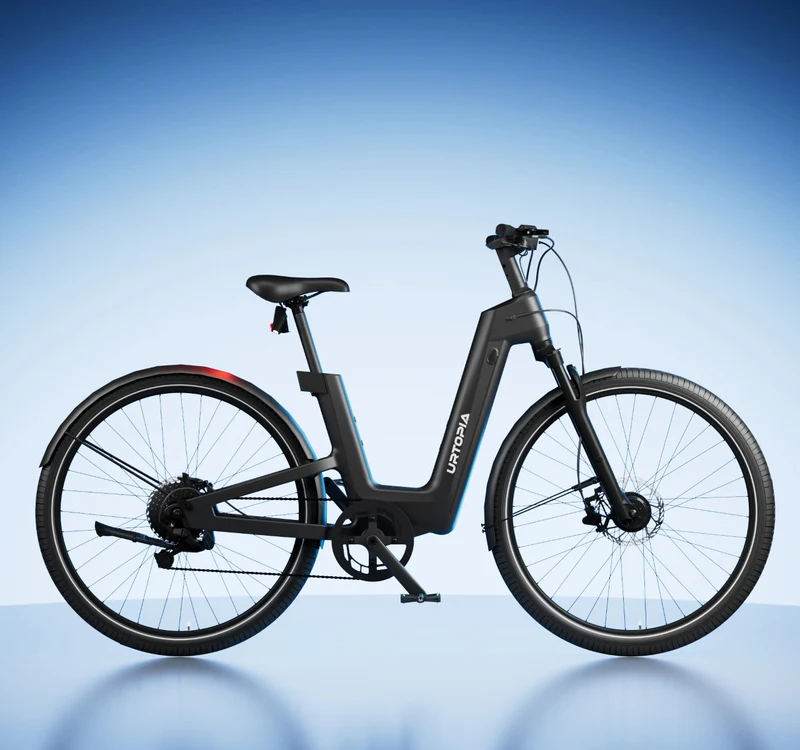

Electric bikes make commuting, errands, and recreational riding more accessible, especially when routes include hills or longer distances. However, motor power and battery range are not the only specifications that shape the riding experience. Total bike weight also affects handling, storage, transportation, and everyday convenience.
When comparing different e-bikes, riders should consider where the bike will be stored, whether it needs to be carried, and how often it will be used in busy urban areas. A heavier bike may offer a larger battery or greater cargo capacity, while a lighter model may be easier to manage throughout the day.
What Makes an E-Bike Practical for Daily Use
A practical electric bike should fit naturally into a rider’s routine. Comfort on the road matters, but so do the small tasks that happen before and after every ride, such as pushing the bike through a doorway, turning it in a hallway, locking it to a rack, or moving it into storage.
These details are especially important for commuters and apartment residents. Even if a building has an elevator, riders may still encounter steps, narrow entrances, or tight corners. A difference of several pounds may seem minor on a specification sheet but can feel significant when the bike must be repositioned every day.
The best choice depends on how the bike will actually be used. Riders covering long distances may value battery capacity and stability, while people making short city trips may prioritize easy handling and convenient storage.
Why a Lightweight E-Bike Is Easier to Manage
A lightweight ebike can be a practical choice for riders who combine cycling with public transportation, live above ground level, or frequently carry their bike in a vehicle. Lower weight does not automatically make a bike better, but it can remove several common barriers to regular use.
A lighter model is usually easier to guide through indoor spaces, lift over curbs, and balance while waiting at traffic lights. It may also feel more familiar to people moving from a traditional road or commuter bicycle to an electric model.
Weight becomes even more noticeable when the motor is turned off. Although an electric bike can still be pedaled without assistance, a heavier frame may require more effort, particularly on hills or after the battery runs low. Riders who sometimes reduce assistance for exercise may prefer a bike that remains comfortable under their own power.
How Weight Affects Handling and Control
Bike weight influences acceleration, steering, braking, and low-speed balance. Motor assistance helps the bike get moving, but the rider still has to control its full weight when stopping, turning, or walking beside it.
This is particularly relevant in cities, where riders may stop frequently at intersections or navigate around pedestrians and parked vehicles. A manageable bike can be easier to stabilize with one foot on the ground and simpler to turn around in a narrow space.
Heavier electric bikes may feel stable at speed, but they can require more deliberate steering. They also carry more momentum, especially when riding downhill or transporting cargo. Reliable brakes are essential on every bike, but heavier setups may need additional stopping distance.
Riders should therefore think about where they spend most of their time. Open roads may favor stability, while crowded streets often reward agility and responsive handling.
Where Low Weight Makes the Biggest Difference
Low weight is especially valuable when the bike must be transported or stored regularly. Riders using trains or buses may need to guide the bike through stations, lift it over gaps, or reposition it around other passengers.
Vehicle racks create another challenge. Every rack has a weight limit, and some electric bikes may be difficult for one person to load. Removing the battery can make the task easier, but the remaining frame may still be heavy.
Home storage also deserves attention. Wall mounts, vertical stands, and overhead hooks often require the rider to lift at least part of the bike. A lighter frame makes these storage options more practical and may allow the bike to be kept indoors, where it is better protected from weather and theft.
Convenience can directly influence riding frequency. When a bike is easy to take out and put away, riders may be more willing to use it for short errands instead of automatically choosing a car.
Balancing Weight With Battery Range
Battery size is one of the biggest contributors to electric bike weight. A larger battery can support longer journeys, but it also adds bulk. Buyers should estimate their normal riding distance rather than automatically choosing the highest capacity available.
A commuter traveling a few miles each way may not need the same battery as someone planning long weekend rides. Carrying more capacity than necessary can make the bike heavier without providing much everyday value.
Published range figures should also be treated as estimates. Terrain, rider weight, weather, tire pressure, speed, and assistance level all affect how far a battery lasts. Riders who rely heavily on the highest support mode will usually achieve less range than those using moderate assistance.
A removable battery can improve convenience by allowing indoor charging and reducing the weight of the bike during lifting. Buyers should still check whether the battery is easy to remove and secure once reinstalled.
Balancing Weight With Power and Comfort
Powerful motors can help on steep hills, during fast acceleration, or when carrying cargo. However, larger motors and reinforced components may increase total weight.
Riders on mostly flat roads may find that moderate assistance provides enough support without making the bike unnecessarily heavy. Those living in hilly areas should consider torque, which affects how strongly the motor assists during climbing and starts.
Comfort should not be sacrificed simply to reduce weight. Frame geometry, handlebar position, saddle design, and tire width all influence how the bike feels over longer rides. A slightly heavier bike with an upright position may be more comfortable than an ultra-light model that does not fit the rider properly.
Suspension and wider tires can improve comfort on rough surfaces, although both may add weight. Riders using smooth city streets may prefer a simpler rigid setup, while those covering uneven roads may benefit from extra cushioning and stability.
How Accessories Change the Final Weight
The listed weight of an electric bike usually refers to its standard configuration. Locks, racks, baskets, fenders, panniers, child seats, and other accessories can add several pounds to the finished setup.
Urban riders often carry heavy locks, while commuters may add bags or rear racks. These additions can affect balance as well as total weight, especially when loads are placed high or far behind the rider.
Buyers should evaluate the bike as they intend to use it rather than focusing only on the factory specification. Starting with a lighter frame can leave more room for necessary accessories without making the complete bike too difficult to handle.
Before adding cargo equipment or child seats, riders should also check the bike’s load limits and compatibility requirements.
How to Choose the Right E-Bike Weight
Start by looking at the typical week rather than an ideal weekend ride. Consider normal distance, road conditions, hills, storage space, number of stops, and whether the bike will need to be carried.
Next, identify the hardest off-bike task. It may be lifting the bike onto a rack, moving it up stairs, turning it inside an apartment, or placing it on a storage stand. A bike that performs well on the road may still be impractical if these tasks are difficult.
During a test ride, also spend time handling the bike while standing beside it. Push it backward, turn it in a small space, lift the front wheel slightly, and hold it steady at a stop.
The right weight is not a single number. It is the balance between portability, range, motor support, comfort, and the demands of the rider’s daily routine.
Conclusion
E-bike weight should be considered alongside range, power, comfort, and intended use. A heavier model may suit long-distance riding, cargo needs, or rough terrain, while a lighter bike can make commuting, storage, and transportation much easier.
The best option is not necessarily the lightest or most powerful model. It is the one that fits naturally into the rider’s daily routine and remains easy to use both on and off the road. By considering how the bike will be ridden, moved, stored, and transported, buyers can choose an electric bike they are more likely to use regularly.