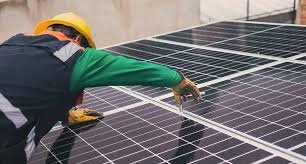

The conversation around solar for warehouses is often filled with promises of lower energy bills, sustainability, and long-term savings. And while these benefits are real, there are also lesser-discussed aspects that many commercial solar panel contractors don’t always highlight upfront.
This doesn’t mean solar isn’t worth it—it absolutely can be. But to make a smart investment in 2026, warehouse owners need a complete, transparent picture. Let’s uncover what’s often left unsaid and how to navigate it effectively.
The Reality Behind “Huge Savings” Claims
One of the biggest selling points of solar for warehouses is dramatic cost savings. While businesses can save 40–70% on electricity, the actual savings depend on several factors.
What You Should Know:
- Savings vary based on energy consumption patterns
- System size and design directly impact output
- Local policies like net metering influence returns
Some commercial solar panel contractors may present ideal-case scenarios. It’s important to ask for realistic projections based on your warehouse’s actual energy usage.
Not All Roofs Are Solar-Ready
You’ll often hear that warehouses are perfect for solar—and generally, they are. But not every roof is immediately suitable.
Hidden Considerations:
- Structural strength and load-bearing capacity
- Roof age and material condition
- Obstructions like vents, skylights, or equipment
Before installing solar for warehouses, a detailed structural assessment is essential. Reputable commercial solar panel contractors will conduct this, but it’s something you should explicitly confirm.
Upfront Costs Can Still Be Significant
Even though solar costs have decreased, installing solar for warehouses still requires a notable investment.
What Contractors Might Downplay:
- Additional costs for roof upgrades or repairs
- Permitting and inspection fees
- Optional battery storage expenses
While financing options exist, understanding the total project cost is crucial before committing. Always request a complete cost breakdown from your commercial solar panel contractors.
Payback Period Isn’t Instant
Solar is often marketed as a quick-return investment. While returns are strong, they’re not immediate.
Typical Reality:
- Payback period ranges from 4 to 7 years
- ROI depends on energy prices and incentives
- Long-term savings outweigh short-term expectations
Solar for warehouses is a long-term strategy, not a quick fix. Businesses that approach it with realistic expectations see the best outcomes.
Maintenance Is Low—But Not Zero
Another common claim is that solar systems are maintenance-free. While they require minimal upkeep, they are not entirely hands-off.
What’s Required:
- Periodic cleaning to remove dust and debris
- Routine inspections for system performance
- Occasional inverter replacement
Reliable commercial solar panel contractors offer maintenance packages, but it’s important to factor this into your long-term planning.
Energy Storage Isn’t Always Included
Battery storage is often showcased as part of solar solutions, but it’s not always included in standard installations.
Why It Matters:
- Without batteries, excess energy may go unused
- Energy availability is limited during non-sunny hours
- Backup power requires additional investment
If your warehouse operates beyond daylight hours, discuss storage options with your commercial solar panel contractors when planning solar for warehouses.
Incentives Can Change Over Time
Government incentives play a big role in making solar for warehouses affordable. However, these incentives are not permanent.
Important Insight:
- Tax credits and subsidies may reduce over time
- Policies vary by region and can change
- Delays in installation may impact eligibility
Some commercial solar panel contractors emphasize current incentives without highlighting their potential variability. Acting sooner can help secure maximum benefits.
System Performance Isn’t Always Perfect
Solar panels don’t produce the same amount of energy every day.
Factors That Affect Output:
- Weather conditions and seasonal changes
- Dust accumulation and shading
- Panel degradation over time
While modern systems are highly efficient, understanding these variables ensures you set realistic expectations for your solar for warehouses investment.
Choosing the Right Contractor Matters More Than You Think
Not all commercial solar panel contractors offer the same level of expertise or service quality.
Risks of Choosing the Wrong Partner:
- Poor system design leading to lower efficiency
- Hidden costs or unclear pricing
- Lack of post-installation support
A trustworthy contractor will be transparent about both the benefits and limitations of solar for warehouses, helping you make an informed decision.
The Truth: Solar Is Still Worth It
Despite these lesser-discussed factors, solar for warehouses remains one of the most effective ways to reduce energy costs and improve sustainability.
Why It Still Makes Sense:
- Long-term savings significantly outweigh initial costs
- Energy independence reduces reliance on the grid
- Sustainability improves brand reputation and compliance
The key is not avoiding solar—but approaching it with full awareness and the right partner.
Conclusion
The idea that commercial solar panel contractors hide information isn’t about deception—it’s often about focusing on the most attractive benefits. However, understanding the full picture helps warehouse owners make smarter, more confident decisions.
Solar for warehouses is a powerful investment, but like any major decision, it requires careful planning and realistic expectations. By asking the right questions, reviewing detailed proposals, and working with experienced commercial solar panel contractors, businesses can unlock the true value of solar.
In 2026, the companies that succeed with solar aren’t just the ones who adopt it—they’re the ones who understand it.
FAQs
1. Is solar for warehouses really cost-effective?
Yes, but savings depend on energy usage, system design, and local incentives.
2. Do all warehouses qualify for solar installation?
Most do, but roof condition and structural strength must be evaluated first.
3. How long does it take to recover the investment?
Typically between 4 to 7 years, depending on various factors.
4. Do solar panels require regular maintenance?
They require minimal maintenance, including cleaning and periodic inspections.
5. Are batteries necessary for warehouse solar systems?
Not always, but they are beneficial for backup power and extended usage.
6. How do I choose the right commercial solar panel contractors?
Look for experience, transparency, strong portfolios, and end-to-end service offerings.