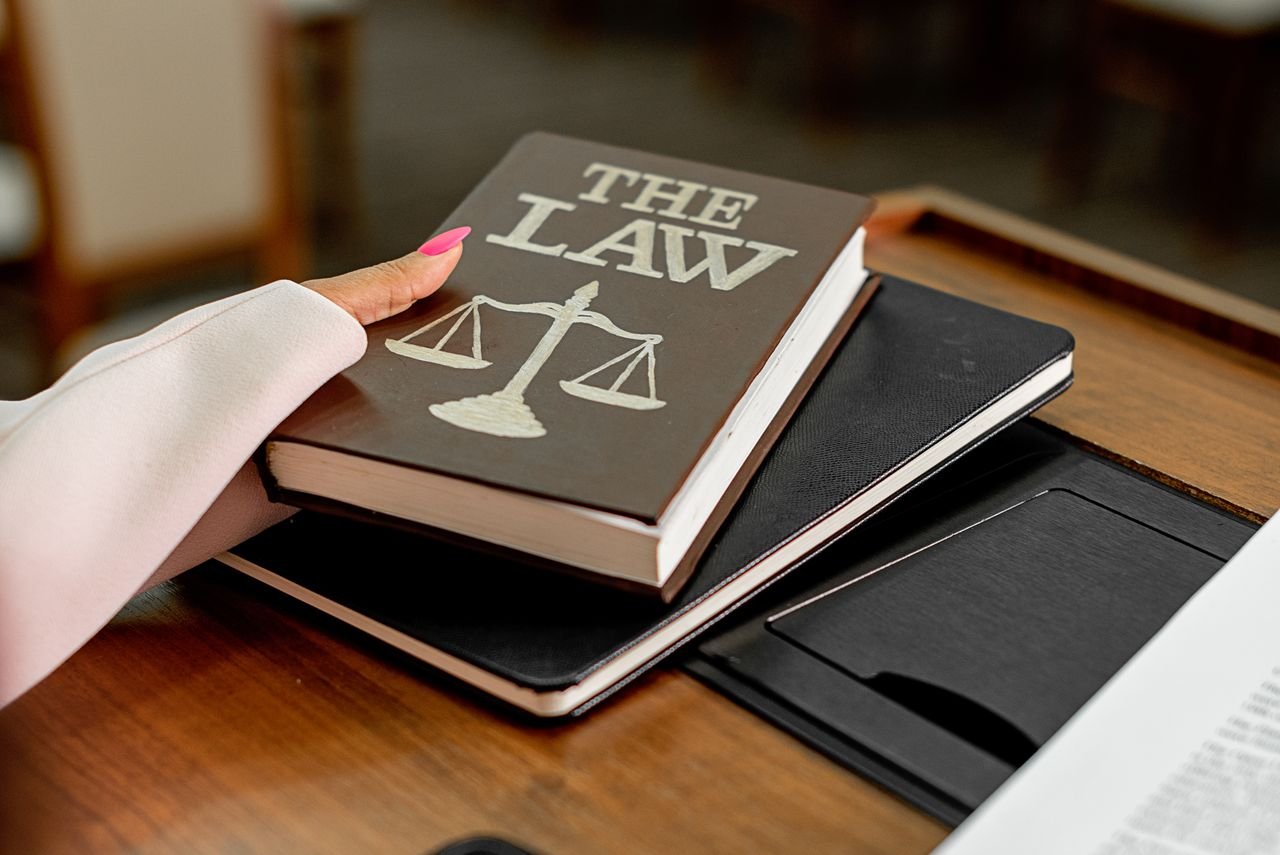

When Self-Defence May Apply to an Assault Charge
A person charged with assault in Alberta may argue that their conduct was legally justified because they acted to protect themselves or another person. Alberta does not have separate provincial self-defence laws for criminal cases. The defence is governed by section 34 of Canada’s Criminal Code and applied by Alberta courts.
Section 34 establishes three requirements:
- The accused believed on reasonable grounds that force was being used or threatened against them or another person.
- The accused acted for the purpose of defending or protecting themselves or the other person.
- The response was reasonable in the circumstances.
All three requirements must have an evidentiary basis.
The first requirement considers what the accused believed and whether reasonable grounds supported that belief. A person does not necessarily have to wait until they are physically struck. A credible threat of force may be enough. However, fear alone is insufficient when the surrounding facts do not reasonably support the belief that force was being used or threatened.
The second requirement examines the accused’s purpose. The act must have been intended to prevent or stop the threat. Force used mainly because of anger, retaliation or a desire to punish the other person is not defensive. This distinction becomes important when a person continues the confrontation after the immediate danger has passed.
The third requirement asks whether the response was reasonable when the incident is considered as a whole. Self-defence does not give someone unlimited authority to use force. The seriousness of the threat, available alternatives, the accused’s conduct and the nature of the response must all be considered.
An assault lawyer will usually compare the accused’s account with witness statements, police notes, photographs, video footage, emergency-call recordings and other available evidence. The analysis cannot be limited to identifying who made the first physical contact. The complete sequence of events matters.
Once there is evidence capable of supporting self-defence, the Crown must prove beyond a reasonable doubt that at least one of the three requirements has not been met. The accused does not have to prove self-defence on a balance of probabilities.
How Alberta Courts Decide Whether the Response Was Reasonable
Section 34(2) lists factors that a court must consider when they are relevant. The list is not exhaustive, and no single factor automatically determines the outcome. The court must assess the evidence globally rather than examining one moment in isolation.
Relevant factors include:
- the nature of the force or threat;
- how immediate the threat appeared to be;
- whether other reasonable ways of responding were available;
- the accused’s role in the incident;
- whether a weapon was used or threatened;
- the parties’ size, age and physical capabilities;
- the nature and history of the relationship;
- previous threats, force, communications or interactions;
- the nature and proportionality of the response; and
- whether the accused knew the other person’s use of force was lawful.
Immediacy and available alternatives
The court considers whether the threat was immediate or developing and how much time the accused had to respond. It may also consider whether the accused could realistically have stepped away, called for assistance or ended the interaction.
There is no automatic rule requiring a person to retreat in every situation. However, the availability of a practical and safe alternative may affect whether using force was reasonable. The court must assess the circumstances as they appeared at the time, not simply with the benefit of hindsight.
Proportionality of the response
The response does not have to match the threat with mathematical precision. A person facing a sudden confrontation may not have time to measure an exact equivalent response.
The response must still have a reasonable connection to the perceived danger. A minor push will not normally justify a severely excessive reaction. Chasing, restraining or continuing to use force after the other person has withdrawn may also weaken a self-defence claim.
The accused’s role in the incident
The accused’s conduct throughout the incident may be considered. In R. v. Khill, the Supreme Court of Canada explained that the phrase “the person’s role in the incident” covers relevant actions, omissions and decisions from the beginning to the end of the confrontation.
The analysis is not restricted to illegal conduct. Following another person, escalating an argument or deliberately re-entering a conflict may be relevant even when those actions were not separate offences. The court considers whether the accused helped create or intensify the circumstances that led to the final act.
Starting an argument does not automatically eliminate self-defence. Poor judgment earlier in the incident also does not establish guilt by itself. The ultimate question remains whether the accused’s response to the force or threat was reasonable. The Crown must prove beyond a reasonable doubt that the response was unreasonable or that another part of the defence was missing.
Protecting another person
Section 34 also permits a person to defend someone else. The same three-part test applies. The accused must reasonably believe that force is being used or threatened, act for a protective purpose and respond reasonably.
Force used during lawful enforcement
Special limits apply when force is used by a police officer or another person who is legally authorized to administer or enforce the law. Self-defence is generally unavailable unless the accused believed on reasonable grounds that the officer or other person was acting unlawfully.
Disagreeing with an arrest or police direction does not, by itself, justify resistance.
Evidence in an Alberta Self-Defence Case
Self-defence cases often depend on evidence showing what happened before, during and immediately after the alleged assault. Police may receive conflicting versions of events, especially when there are no independent witnesses.
Relevant evidence may include:
- security or doorbell-camera footage;
- cellphone recordings;
- photographs of the location;
- emergency-call recordings;
- medical records;
- text messages and emails;
- social media communications;
- witness statements;
- police body-camera footage; and
- records showing the timing of calls or messages.
An assault lawyer may use this material to create a detailed timeline. Video can show who approached whom, whether someone attempted to leave and whether the confrontation continued after the threat ended. Messages may establish previous threats, attempts to arrange a confrontation or efforts to avoid further contact.
Medical evidence may help determine whether the parties’ descriptions are consistent with the physical evidence. However, an injury does not automatically prove who started the incident or who was legally responsible.
Credibility and consistency
Courts may compare the accused’s police statement, testimony, messages and earlier descriptions of the incident. Minor differences can occur because stressful events are not always remembered perfectly. Major changes involving the alleged threat, who started the confrontation or when the force stopped may damage credibility.
The accused should preserve relevant messages, photographs and recordings. Deleting communications, editing footage or attempting to influence a witness can create further legal problems and weaken the defence.
Release conditions must also be followed. These may include restrictions on contacting the complainant, attending certain locations or possessing specified items. Breaching a condition can result in an additional criminal charge.
Common misunderstandings about self-defence
Being struck first does not authorize any level of response. The court still considers whether the accused’s actions were reasonable.
Being inside one’s home does not create an unrestricted right to use force. A court will examine the nature of the threat and the response.
The absence of serious injuries does not prevent an assault charge. Assault may include the intentional application of force without consent, even when the incident does not result in a significant injury.
An accused who was also injured may still be charged. Police may believe that both parties committed an offence or that one person’s response went beyond lawful self-defence.
Statements made immediately after arrest can affect the case. A person may try to explain the incident before knowing the exact allegation or the evidence collected by police. Later inconsistencies may be used to challenge that person’s credibility.
Obtaining advice from an assault lawyer before providing a detailed statement can help the accused understand the allegation, the right to remain silent and the possible consequences of speaking.
How an Assault Lawyer Can Prepare a Self-Defence Case
An assault lawyer can assess whether the evidence supports each part of the section 34 test. The defence process will usually begin with obtaining disclosure from the Crown.
Disclosure may include police reports, witness statements, photographs, medical information, emergency-call recordings and video evidence. The lawyer can compare the accounts, identify inconsistencies and determine whether relevant evidence is missing.
The review should address three questions separately:
- Did the accused reasonably believe that force was being used or threatened?
- Did the accused act for a genuinely defensive purpose?
- Was the response reasonable in the circumstances?
The lawyer may examine whether police correctly identified the primary aggressor, whether witnesses had a clear view and whether objective evidence supports the complainant’s account. The complete history between the parties may also be relevant, particularly when there were previous threats, violence or communications affecting how the accused understood the danger.
Possible outcomes depend on the evidence. The Alberta Crown Prosecution Service prosecutes a case when there is a reasonable likelihood of conviction and proceeding is in the public interest. Defence counsel may provide evidence or legal arguments that affect that assessment.
A charge may be withdrawn, resolved through an appropriate alternative or proceed to trial. At trial, the defence may seek an acquittal based on self-defence or argue that the Crown has not proven the assault itself beyond a reasonable doubt. No particular result can be guaranteed.
After an assault charge, the accused should:
- comply with every release condition;
- preserve all relevant evidence;
- avoid discussing the case publicly;
- avoid contacting prohibited individuals;
- record a clear chronology for their lawyer; and
- provide details about the alleged threat, the purpose of the response and when the force stopped.
Self-defence in an Alberta assault case depends on evidence, context and reasonableness. An assault lawyer can determine whether section 34 applies, challenge unreliable allegations and present the complete sequence of events rather than allowing the case to be judged from one isolated moment.