Everest pulls people in for all kinds of reasons, but not everyone has three weeks free, and not everyone’s knees or lungs are up for two weeks of climbing stone staircases at altitude. That’s the real tension behind most Everest planning emails: people love the idea of standing near the world’s highest mountain, but time off work, fitness levels, or just plain nerves about altitude get in the way.
That’s where the two most common shortcuts come in. You can fly straight toward Everest Base Camp by helicopter and be back in Kathmandu in time for dinner, or you can actually trek through the Khumbu on foot and then skip the long walk back by hopping on a helicopter instead. An Everest Base Camp helicopter tour solves the time problem outright. A trek with helicopter return solves a different problem — it lets you keep the walking experience but cuts the days spent retracing your steps.
Both trips end up near the same mountain, but they are not the same trip at all. This guide walks through the route, timing, cost drivers, weather realities, altitude concerns, packing differences, and safety points for each option, so you can figure out which one actually fits your travel dates and your body.
Everest Base Camp Helicopter Tour vs Trek With Helicopter Return
What is an Everest Base Camp Helicopter Tour?
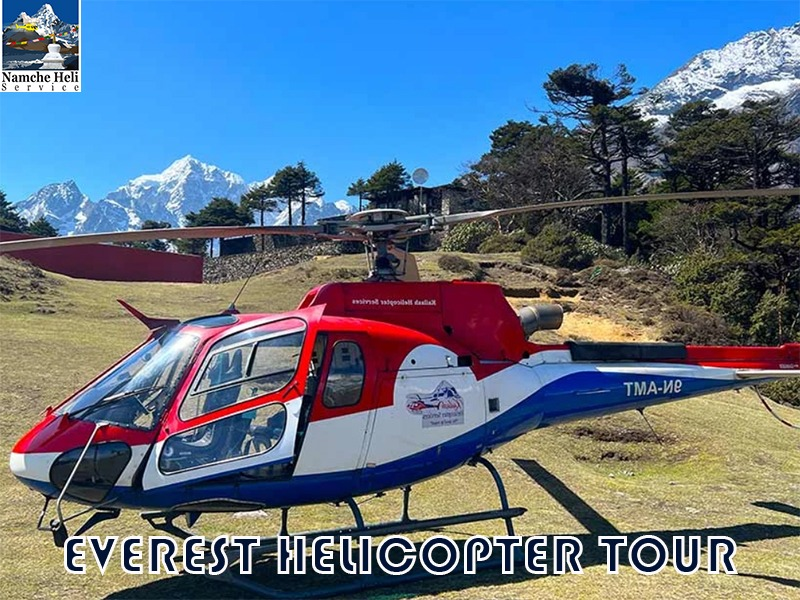
In its simplest form, this is a flight, not a hike. You leave Kathmandu early in the morning, the helicopter heads toward the Khumbu, and you get a bird’s-eye look at peaks that most trekkers only see after days of walking. Many tours include a brief stop near the Everest View Hotel area or another suitable vantage point where the aircraft can land safely — though whether that happens, and exactly where, depends on the day’s weather, air traffic at Lukla, and the operator’s own protocols. From there it’s back over the ridgelines to Kathmandu.
If someone books an Everest helicopter tour, they should go in expecting an aerial adventure rather than a walking one. You get your legs a rest and your camera gets a workout, but there’s no tea house lodging, no porter, and no multi-day acclimatization built in — because none of that is needed for a trip this short.
What is Everest Base Camp Trek with Helicopter Return?
The Everest Base Camp Trek with Helicopter Return starts the same way most classic EBC treks do: a short flight to Lukla, followed by days of walking through Sherpa villages, suspension bridges, and pine forest that slowly gives way to bare rock and ice. You sleep in trekking lodges, gain altitude gradually, and eventually reach Base Camp on your own two feet. The twist comes on the way down — instead of retracing the entire trail back to Lukla, which usually eats up several more days, you arrange a helicopter to fly you out from a suitable point along the route.
The core difference between the two options really comes down to this: one hands you more time in the sky, and the other gives you the actual trekking experience first and only turns to the helicopter to save time on the return leg.
Quick Comparison: Which Option Fits Your Trip?
| Factor | Helicopter Tour | Trek + Helicopter Return |
| Typical trip length | Around 1 day | Several trekking days |
| Physical effort | Low | Moderate to demanding |
| Mountain walking | Minimal or none | Major part of the trip |
| Altitude exposure | Rapid | Gradual |
| Khumbu villages | Limited | Extensive |
| Acclimatization | Limited | Built into the itinerary |
| Everest Base Camp experience | Flight-based visit or view | Reached by trekking |
| Best for | Short schedules | Travelers wanting a real trek |
| Weather dependency | Very high | High for flights, lower for walking |
| Main advantage | Saves time | Combines trekking with a faster way home |
Take the numbers you see quoted online — flight durations, exact prices, fixed departure times — with a grain of salt. Weather, aircraft type, operator schedules, and the season you’re traveling in all shift these figures, sometimes by a lot.
Everest Base Camp Helicopter Tour: Practical Day Plan
Kathmandu to the Everest Region
Almost every operator schedules these flights first thing in the morning, and there’s a good reason for it. Mountain weather in the Khumbu tends to be calmest at sunrise and gets progressively less predictable as the day warms up, with clouds building over the ridgelines by mid-morning. An early start simply gives the pilot the best visibility window.
Mountain Flight and Possible Landing
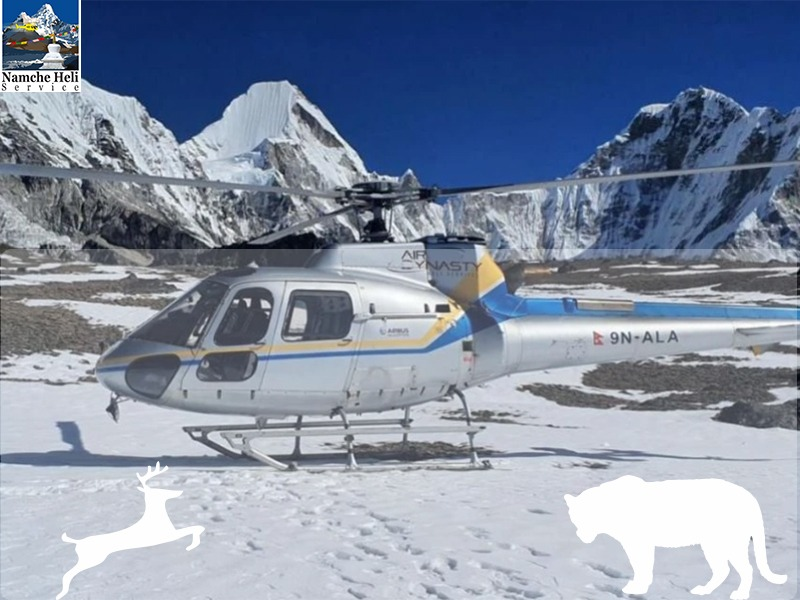
Once you’re airborne, the scenery does most of the talking — sweeping views over the Khumbu Valley, a string of 6,000 and 7,000-meter peaks, and a look down at Lukla’s short mountain runway from an angle you’d never get on foot. Some itineraries include a landing stop for photos and a cup of tea; whether that happens on your particular flight depends on conditions on the day and the specific operational call made by the crew.
Return to Kathmandu
Helicopters in this region fly on the mountain’s terms, not the clock’s. Even a clear morning can turn hazy by midday, so return times can slide. If you’ve got an evening flight out of Kathmandu, or worse, an international connection booked for that same afternoon, build in some breathing room. It’s a mistake plenty of first-timers make, and it’s an easy one to avoid.
Everest Base Camp Trek with Helicopter Return: How the Route Works
Kathmandu to Lukla
The trek begins with the short, scenic, and famously weather-sensitive flight into Lukla. Delays here are common enough that seasoned trekkers build a spare day or two into their schedule before it even starts, just in case.
Lukla to Namche Bazaar
From Lukla, the trail follows the Dudh Kosi river through pine forest, past mani stones and prayer flags, crossing several swaying suspension bridges before climbing steeply into Namche Bazaar — the unofficial capital of the Khumbu and the first real acclimatization stop.
Namche to Tengboche and Higher Villages
Above Namche, the trees start to thin out and the mountains close in. Tengboche, with its monastery sitting almost directly beneath Ama Dablam, is often the emotional high point of this stretch. As the altitude climbs, pace matters more than ambition — rushing this section is how people end up turning back early.
Dingboche and Acclimatization
An acclimatization day in Dingboche isn’t a rest day in the lazy sense. The idea is to sleep at a lower altitude while pushing a bit higher during the day, giving your body time to adjust before you climb further. Skipping it, or treating it as wasted time, is one of the more common regrets trekkers mention afterward.
Everest Base Camp
Reaching EBC on foot is genuinely a different accomplishment than flying near it. By the time you arrive, you’ve dealt with thin air, cold mornings, unpredictable trail conditions, and days of gradual elevation gain — and that build-up is a big part of why the moment feels earned rather than handed to you.
Helicopter Return
Here’s where the two trip types meet. Instead of walking back down through every village you already passed through, trekkers can arrange a helicopter pickup from a suitable point along the route — commonly somewhere like Gorak Shep or Pheriche, depending on conditions. This isn’t guaranteed on any given day, since weather, aviation rules, and helicopter availability all have to line up, but when it works, it turns what would be four or five more walking days into a single flight.
Lukla to Kathmandu Helicopter: When Does It Make Sense?
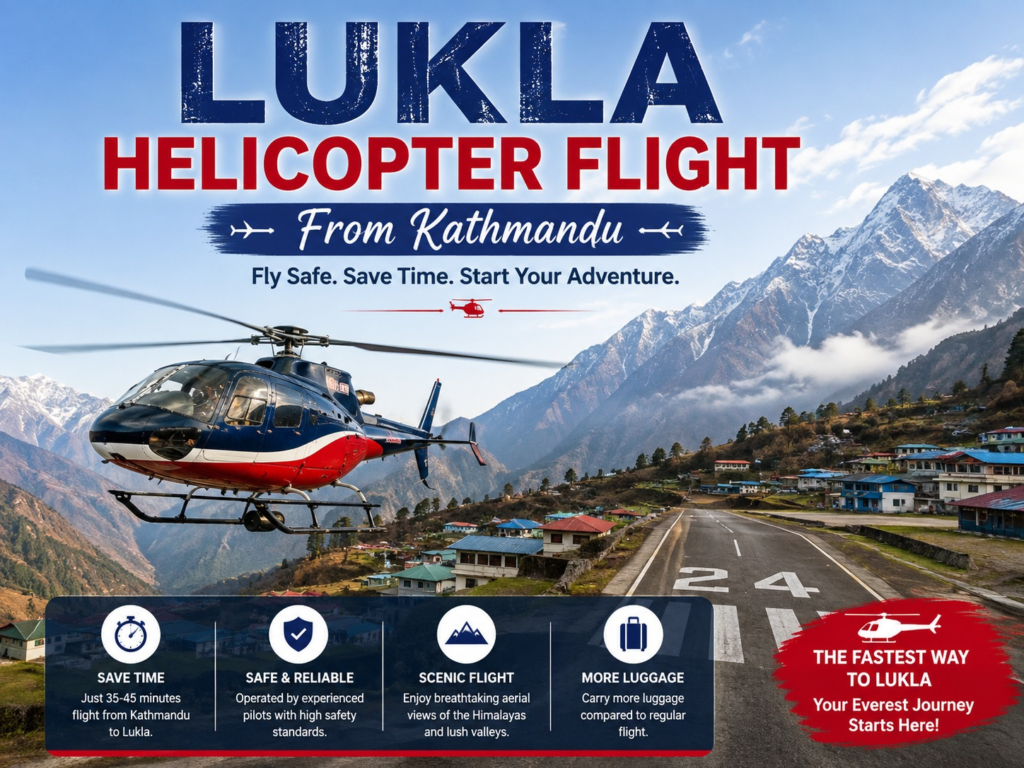
A Lukla to Kathmandu helicopter flight tends to come up in a few specific situations. Bad weather that’s grounded the fixed-wing flights out of Lukla is the most common one — when the queue at the airstrip backs up for days, a helicopter can sometimes get you out when planes can’t. It’s also useful for trekkers who are short on time after finishing the trek, or who’d simply rather skip the walk back and the extra nights it involves.
Worth being clear-eyed about: booking a helicopter doesn’t guarantee it flies. Visibility, wind, airport congestion at Lukla, and aircraft availability all play a role, and during the busiest trekking seasons, seats can be scarce even when the weather cooperates. It’s worth asking your operator directly what the backup plan is if the helicopter can’t operate on your scheduled day — a good one will have an answer ready rather than a shrug.
Cost of an Everest Helicopter Tour and Trek With Helicopter Return
There isn’t really a single “standard price” worth quoting here, because too many variables move the number. What actually shapes the cost includes:
Whether you’re sharing the helicopter with other passengers or chartering it privately, how many people are in your group, how many days the trek portion runs, the standard of accommodation and meals along the way, whether you’re hiring a guide and porter, permit and entry fees for the region, the Lukla flight itself, ground transfers in Kathmandu, the helicopter return sector, travel insurance, and how seasonal demand — plus the odd weather delay that adds an unplanned night — affects pricing.
What Should Be Included in a Package?
Before handing over a deposit, it’s worth getting a straight answer on what’s actually covered: airport transfers, permits, guide and porter fees, meals during the trek, the Lukla flights both ways, and the helicopter return sector itself. A package that looks cheap on paper but leaves out the helicopter segment or emergency contingency plans isn’t actually the better deal — it just moves the cost to a moment when you have less room to negotiate.
Best Time for Everest Helicopter Tours and Trekking
Trekking weather and helicopter flying conditions overlap but aren’t identical, and it’s worth understanding both before you pick your dates.
Spring (roughly March to May) is a favorite for trekking, with rhododendrons in bloom and generally good mountain visibility.
Autumn (September to November) is often considered the most reliable stretch for clear skies and stable trekking conditions, which is also good news for helicopter flights.
Winter brings genuinely cold temperatures at altitude and can complicate helicopter operations on the coldest, windiest days — fine for well-prepared travelers, less fine for anyone underestimating it.
Monsoon season (June to August) brings rain, cloud cover, and the kind of low visibility that grounds helicopters more often than any other season.
Whatever season you pick, don’t treat a helicopter tour as somehow weather-proof just because it’s a shorter trip. It isn’t. If anything, a one-day tour has less flexibility to simply wait out bad weather than a multi-day trek does.
Altitude, Acclimatization and Physical Preparation
This is where the two trip types diverge in a way that’s easy to underestimate. On a trek, your body gets days to adjust as you climb — Namche’s acclimatization stop, a slow pace, steady hydration, and rest days are all built in for a reason. Watching for early altitude sickness symptoms, skipping alcohol at elevation, and knowing that descending beats pushing through a headache are basic rules experienced trekkers live by.
A helicopter tour skips that buildup entirely. You can go from Kathmandu’s low elevation to well over 3,000 or 4,000 meters in under an hour, and even without any walking involved, some travelers feel the thinner air almost immediately — a bit of breathlessness, lightheadedness, or a dull headache isn’t unusual. It doesn’t happen to everyone, but it’s not something to write off.
None of this is medical advice, and altitude affects people differently regardless of fitness level. Anyone with heart, lung, or other relevant health conditions should talk to a doctor before booking either trip.
What to Pack for the Helicopter Tour vs Trek
For a Helicopter Tour
Warm layers, sunglasses, sunscreen, a bottle of water, your camera or phone, a small daypack, and gloves and a hat if you’re traveling outside the warmer months.
For Trek + Helicopter Return
Everything above, plus proper trekking boots, layered clothing you can add or remove as the day warms and cools, a sleeping bag if your itinerary calls for it, a headlamp, trekking poles, any personal medication, basic first-aid supplies, a power bank (charging isn’t always free or reliable up high), a way to purify water, and a duffel bag if you’re using a porter.
One thing that trips people up: helicopters have baggage weight limits, and they’re often stricter than what you’d expect on a domestic flight. Confirm the allowance before you pack, not at the helipad.
Permits, Flights, Accommodation and Booking Practicalities
Trekking in the Everest region involves entry permits and local area fees, and the exact requirements do shift from time to time, so it’s worth confirming current rules with your operator rather than relying on older blog posts. Beyond permits, plan around the Lukla flight schedule, tea house and lodge accommodation along the trail, guide and porter arrangements if you’re using them, confirmed helicopter bookings for the return leg, a mental buffer for weather contingencies, travel insurance that actually covers high-altitude trekking and helicopter evacuation if your policy includes that, and standard travel document requirements.
Booking Tip
Before you pay a deposit, ask for specifics: the exact helicopter pickup location, the maximum baggage allowance, the cancellation policy, and what happens procedurally if weather delays the flight. Vague answers to any of these are a red flag.
Is the Helicopter Tour Safe? What Travelers Should Know
Helicopter operations in the Khumbu are shaped by a handful of hard constraints: weather, visibility, the pilot and operator’s judgment on the day, aviation regulations, the condition of landing sites, and simple aircraft availability. None of these are things a traveler can push against — if a pilot decides conditions aren’t right, that call should be respected, not argued with.
A reliable operator will be upfront when plans change because of weather, and will explain what the alternative looks like rather than leaving you guessing. Some companies, like Namche Heli, are known locally for handling exactly this kind of communication well, though the same standard of transparency should be expected from whichever operator you actually book with.
Which One Should You Choose?
Choose a helicopter tour if your schedule is tight, you want the Himalayan views without the physical grind, and an aerial look at Everest is genuinely what you’re after.
Choose trek plus helicopter return if you want to actually walk through the Khumbu, spend time in Namche and the villages beyond it, and experience the trail — but you’d rather not spend another four or five days walking back the way you came.
Choose a full trek if you’ve got the time and you specifically want the complete journey, return leg included, without shortcuts.
In the end, the right choice comes down to how much time you have, your physical condition, your tolerance for altitude, your budget, and — honestly — what kind of experience you actually want to walk away with. The fastest option on paper isn’t always the right one for you.
Final Thoughts: Choose the Everest Experience That Matches Your Time
It really comes down to two different promises. A helicopter tour gives you the maximum Everest experience in the minimum amount of time. A trek with helicopter return gives you a real Khumbu trekking experience and a much faster way home once you’ve earned it.
Before booking either one, compare the itinerary details, what’s actually included, the helicopter arrangements, the weather contingency plan, luggage rules, and safety procedures — these details matter more than the headline price. If you’re still weighing the options, it’s worth reaching out to a trekking operator directly for a personalized itinerary built around how many days you actually have, your fitness level, the kind of trekking experience you want, and whether a helicopter return fits your plans.
Frequently Asked Questions
1. How long does an Everest Base Camp Helicopter Tour take?
It usually runs as a single-day trip, but the exact duration depends on weather conditions, whether a landing stop is included, and the specific route the operator flies. Don’t expect a fixed schedule down to the minute.
2. Can you trek to Everest Base Camp and return by helicopter?
Yes, this is a well-established option. You trek in normally and arrange a helicopter pickup from a suitable point along the trail for the return, though the exact pickup location and timing depend on weather and helicopter availability that day.
3. Is an Everest helicopter tour worth it if I only have one day?
It depends what you’re after. If your goal is an aerial view of Everest and the surrounding peaks without the physical demands of trekking, it delivers that well. If you want the ground-level trekking experience — the villages, the trail, the sense of earning the view — a one-day flight won’t replicate that.
4. Can I take a helicopter from Lukla to Kathmandu?
Yes, and it’s a common option, especially when regular flights are backed up due to weather or when trekkers want to skip the return walk. It’s not always guaranteed on short notice, though, since seats and weather windows can be limited.
5. What is the difference between an Everest Base Camp helicopter tour and trekking to EBC?
The helicopter tour is a short, low-effort flight-based visit with minimal altitude adjustment time. Trekking to EBC is a multi-day physical journey with gradual altitude gain, extended time in Khumbu villages, and a much deeper look at the region’s culture and landscape.
6. What happens if the helicopter cannot fly because of bad weather?
Flights typically get delayed until conditions improve, which can mean waiting a few hours or, in some cases, a full day. Some operators offer alternative transport or itinerary adjustments. This is exactly why it’s worth confirming the weather-delay policy with your operator before booking, not after.
Contact Details
Namche Heli Service
Namche Bazzar, Solukhumbu, Nepal
(Branch Office :Kathmandu Naya Bazar)
Phone +977-985-2850192 (WhatsApp)
Email: info@namcheheli.com
URL: www.namcheheli.com