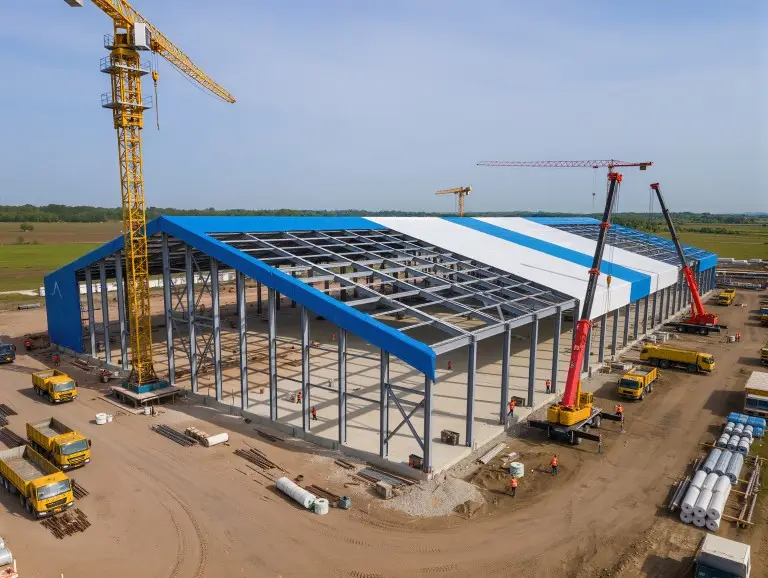

Operating or managing an aircraft hangar means dealing with a reality that many overlook: your facility’s physical characteristics don’t just house your operations, they actively shape them. The dimensions, structural features, floor specifications, and overall configuration create real boundaries that determine which ground support equipment will work and which simply won’t fit. This isn’t about preferences or wish lists. It’s about understanding the practical relationship between your space and the tools you need to get work done. Your hangar design functions as more than a shell for your aircraft. It establishes the rules for what maintenance capabilities you can realistically achieve and how efficiently your workflow can operate.
Ceiling Height and Vertical Clearance Requirements
The vertical dimension of your hangar sets immediate, non-negotiable limits on lifting and access equipment. You need to elevate technicians and components well above ground level during standard maintenance operations, which means your ceiling must accommodate both the equipment height and the aircraft sections being serviced. Working with limited overhead clearance forces you toward lower-profile jacks, stands, and platforms that can still perform necessary functions without threatening contact with structural elements above. Taller hangars open up possibilities, elevated work platforms, high-reach maintenance stands, and substantial jacking equipment for larger aircraft all become viable options.
Floor Load Capacity and Surface Specifications
Your hangar floor isn’t just a surface, it’s a critical constraint that dictates which ground support equipment weights and configurations you can safely deploy. The load-bearing capacity must handle the aircraft weight plus the concentrated pressure points created by jacks, tugs, and other heavy equipment positioned beneath or around the aircraft. Different flooring materials and construction methods deliver varying support levels, and older facilities often carry limitations that rule out heavier modern equipment entirely. You need to account for both static weight when equipment sits in position and dynamic loads generated during movement and operation.
Spatial Configuration and Equipment Maneuverability
The layout and dimensions of your hangar floor space control how easily you can position and maneuver ground support equipment around aircraft. Narrow hangars or facilities filled with support columns create real navigation headaches that may prevent larger equipment use entirely, pushing you toward more compact, maneuverable alternatives. Working in constrained spaces makes equipment with smaller footprints and tighter turning radii essential for accessing all aircraft areas without constantly repositioning everything. Utilities, drains, and built-in systems add another layer of obstacles that influence both equipment selection and how you approach procedures.
Door Dimensions and Equipment Access
Your hangar doors create a gateway that controls what equipment can enter and exit the facility. Standard-height doors eliminate the option of easily moving tall equipment in and out, potentially forcing you to keep equipment permanently inside the hangar or choose lower-profile alternatives that can clear the opening. Wide door openings make moving larger ground support equipment straightforward, while narrow entrances restrict you to smaller units or demand time-consuming disassembly and reassembly procedures. Door configuration affects operational efficiency as well, some layouts allow simultaneous aircraft and equipment movement, while others create frustrating bottlenecks. Bi-fold, sliding, and hydraulic door systems each present different clearance profiles and operational characteristics that shape equipment logistics. When professionals need to test jacking stability and maneuverability in facilities with restricted access points, a quality columbus jacks provide the compact footprint and transportability required for efficient hangar operations. Your door specifications essentially function as a filter, determining the maximum dimensions of any mobile ground support equipment you can practically use.
Power Infrastructure and Equipment Compatibility
The electrical and pneumatic systems available in your hangar determine which types of powered ground support equipment you can actually operate. When your facility lacks adequate power distribution, you’ll lean more heavily on manual or hydraulic equipment rather than electric-powered alternatives. The voltage, amperage, and phase characteristics of your electrical system must align with motorized equipment requirements, or you’re looking at the expense of power conditioning equipment or full facility upgrades. Compressed air availability influences whether pneumatic tools and equipment become viable options, which offer real advantages in certain maintenance scenarios.
Environmental Control Systems and Equipment Selection
The climate control capabilities of your hangar influence which ground support equipment materials and designs prove most durable and functional over time. Operating in facilities without temperature regulation means equipment exposed to extreme heat or cold may experience performance issues or accelerated wear that shortens its useful life. Humidity levels drive corrosion rates on metal equipment and can compromise hydraulic systems and electronic components in powered units. Hangars with superior environmental controls let you use a broader range of equipment types without worrying about weather-related degradation or operational limitations.
Conclusion
Your hangar’s physical characteristics establish a framework that fundamentally shapes which ground support equipment you can effectively employ. Every aspect, from ceiling heights and floor capacities to door dimensions and power infrastructure, either enables or constrains particular equipment choices. Understanding these relationships positions you to make strategic decisions about facility improvements and equipment investments that function together harmoniously. Aligning your equipment selection with your hangar’s capabilities and limitations optimizes safety, efficiency, and operational effectiveness. The most successful operations recognize that hangar design and equipment selection represent interconnected decisions requiring careful coordination and thoughtful planning.