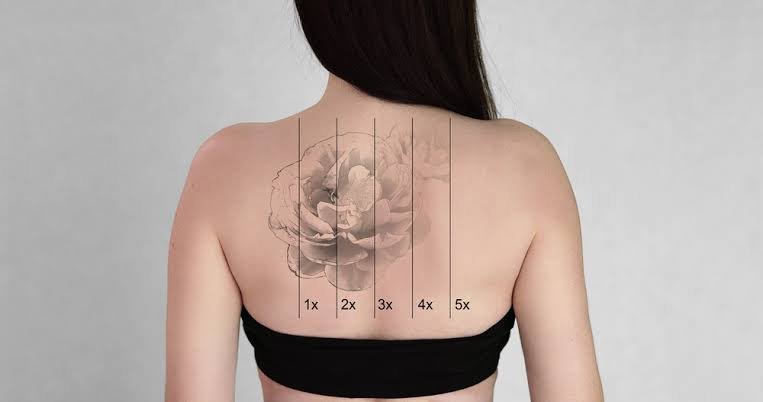

Getting a tattoo removed takes patience, and the results depend heavily on what happens before treatment even starts. Laser removal works by breaking down ink particles so your body can clear them out naturally, and how your skin responds depends a lot on its condition going into each session. A little preparation in the weeks and days beforehand can mean fewer complications and better fading between appointments.
Protect the Area From Sun Exposure
Sun-damaged or tanned skin is more likely to blister, scar, or develop pigment changes after laser treatment. Melanin absorbs laser energy too, which means tanned skin competes with the tattoo ink for that energy and increases the risk of burns. Most clinics ask patients to avoid direct sun exposure on the tattooed area for at least two to four weeks before a session.
If you can’t avoid being outside, cover the tattoo with clothing rather than relying only on sunscreen. Once sessions begin, this becomes even more important, since treated skin is temporarily more sensitive to UV rays. Sunburned skin usually means a rescheduled appointment, so timing matters.
Keep the Skin Hydrated
Well-moisturized skin tends to respond better to laser treatment and heals faster afterward. Dry, flaky skin can scatter the laser’s energy unevenly, making the treatment less precise and potentially more uncomfortable. Start applying a fragrance-free moisturizer to the tattooed area daily in the week leading up to your appointment.
Avoid heavy oils or petroleum-based products right before treatment, since these can interfere with how the laser interacts with the skin’s surface. A simple, unscented lotion applied once or twice a day is usually enough to keep things in good shape.
Avoid Certain Medications and Supplements
Some over-the-counter drugs and supplements thin the blood or increase bruising, which can make the removal process rougher on your skin. Aspirin, ibuprofen, fish oil, and vitamin E supplements are common culprits. Stopping these about a week before your appointment, with a doctor’s approval, can reduce excessive bruising and swelling afterward.
Alcohol has a similar effect and is worth skipping for at least 24 to 48 hours before treatment. If you’re on prescription blood thinners for a medical condition, talk to your provider before making any changes, since stopping those without guidance isn’t advisable.
Shave the Area Beforehand
Hair over a tattoo can interfere with the laser’s ability to target ink evenly, and it can also singe during treatment, which is uncomfortable and unnecessary. Shave the area yourself the day before or the morning of your appointment rather than leaving it to the technician. This gives your skin a few hours to settle before the laser touches it, reducing irritation from fresh razor contact.
Avoid waxing or using depilatory creams on the area, since these can irritate the skin more than shaving and leave it more reactive during treatment.
Come In With Clean, Product-Free Skin
Lotions, makeup, deodorant, or self-tanner residue on the treatment area can all interfere with the laser and increase the risk of irritation. Wash the area with mild soap and water before your appointment and skip applying anything else afterward until you arrive. Clinics that provide safe and effective tattoo removal Grand Rapids typically walk patients through a pre-appointment checklist like this, since clean skin allows the laser to work exactly as intended without unexpected reactions.
Wear loose clothing that won’t rub against the treatment area on the way to your appointment. This also makes it easier for the technician to access the tattoo without unnecessary adjustment or delay.
Manage Expectations Around Healing Time
Skin preparation isn’t just about the day of treatment. It also involves understanding what recovery looks like so you can plan around it. Most tattoos require multiple sessions spaced six to eight weeks apart, giving your body time to absorb broken-down ink and for skin to fully heal between rounds.
Redness, swelling, and mild blistering are common in the first few days after each session. Avoid picking at scabs or blisters, since this increases the risk of scarring and can slow the fading process. Plan your schedule so you’re not attending events or situations where you’d feel self-conscious about visible healing skin in the days right after treatment.
Stay Consistent With Aftercare Between Sessions
What you do between appointments affects how your skin behaves at the next one. Keep the area clean, moisturized, and protected from the sun throughout the entire removal process, not just before each visit. Skipping these steps between sessions can undo some of the progress made and leave skin less prepared for the next round of treatment.
Tattoo removal is a gradual process, and skin that’s cared for consistently tends to respond more predictably each time. Treat preparation as an ongoing habit rather than a one-time checklist, and you’ll likely see smoother fading with fewer setbacks along the way.