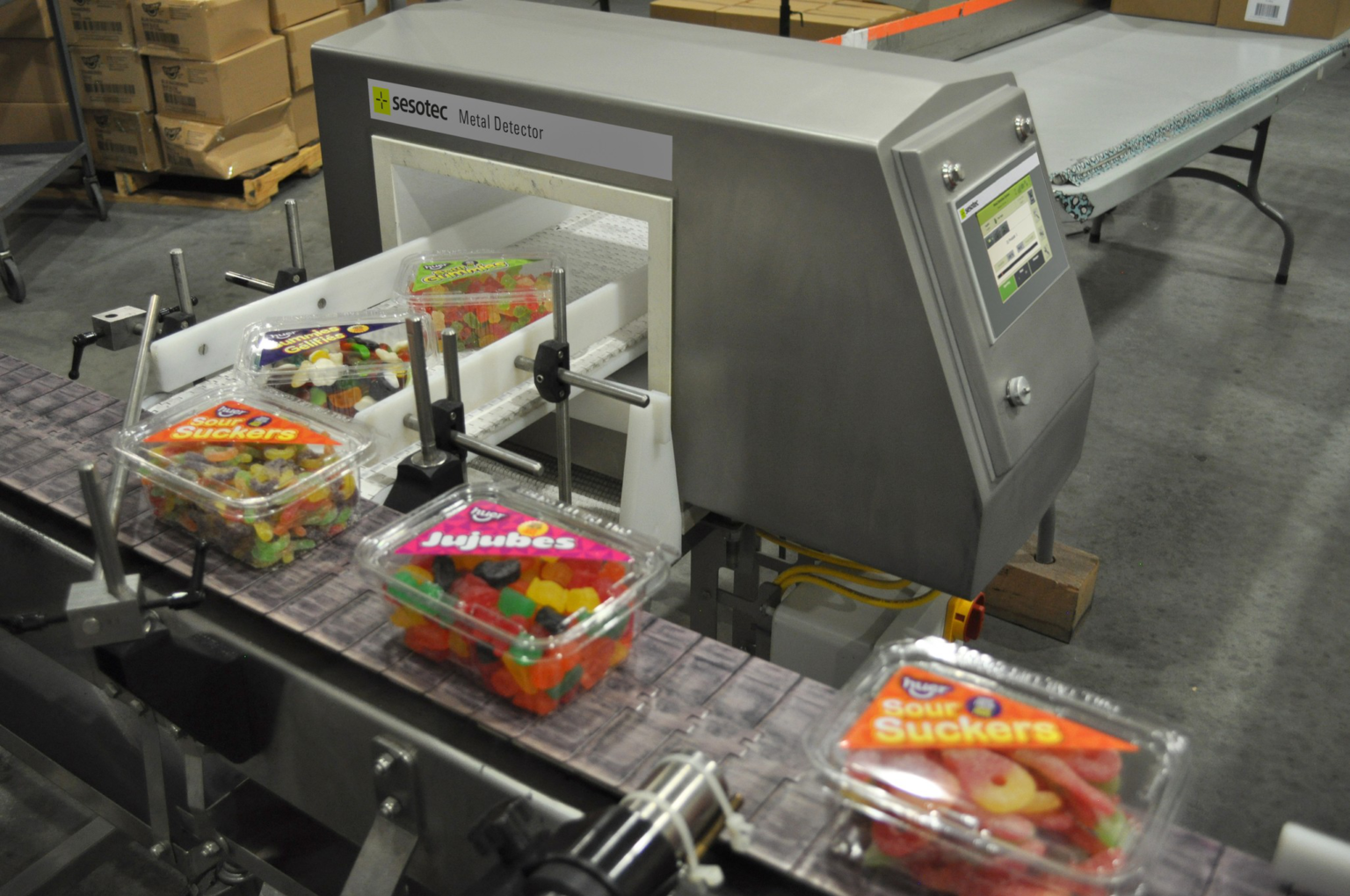

Food safety matters in every food plant. Small metal pieces can enter food during cutting, mixing, packing, or transport. These metal parts can harm consumers. They can also damage brand trust.
Food companies face strict safety rules. Customers also expect clean and safe products. For this reason, many factories now use metal detection systems in daily production.
A reliable Food Metal Detector Machine helps plants find metal contamination before products reach stores. This step protects food quality. It also protects the company from recalls, complaints, and losses.
Now, food plants of all sizes invest in modern metal detection systems to improve safety standards.
Why Metal Contamination Happens in Food Plants
Metal contamination can enter food in many ways. Machines can wear down over time. Small screws can break. Blades can crack. Wire pieces can fall into food during processing.
Some common sources include:
- Broken cutting tools
- Conveyor belt damage
- Machine vibration
- Poor maintenance
- Raw material contamination
At the same time, busy production lines increase risk. High-speed operations create more pressure on machines. Old equipment also raises safety concerns.
As a result, food factories need strong inspection systems.
How a Food Metal Detector Machine Works
A metal detector scans products during production. Most systems use electromagnetic fields. The machine checks every product that passes through the conveyor.
When the detector finds metal, the system sends a signal. The machine then removes the contaminated product from the line.
Most modern systems can detect:
- Ferrous metals
- Non-ferrous metals
- Stainless steel
Next, operators inspect the rejected product. This process helps identify the source of contamination.
Some advanced machines also store data. These records support food safety audits and quality checks.
Main Benefits for Food Processing Plants
Better Consumer Safety
Food companies must protect consumers from injury. Metal contamination can cause serious harm. A detection system lowers this risk.
Safe products build customer trust. Strong trust supports long-term business growth.
Compliance With Food Safety Rules
Many countries follow strict food safety laws. Food plants must meet inspection standards during production.
Organizations like the Food and Drug Administration encourage strong contamination control systems in food facilities.
Metal detectors help companies meet safety requirements during audits and inspections.
Lower Recall Costs
Product recalls create major financial damage. Companies may lose products, customers, and reputation.
A reliable detection system helps prevent costly recalls. As a result, factories reduce waste and protect brand value.
Better Production Quality
Metal detectors improve overall quality control. They help workers identify machine problems early.
Now, maintenance teams can repair damaged equipment before larger issues appear.
Protection for Factory Equipment
Metal pieces can damage packing machines or grinders. Detection systems stop contaminated products before they reach sensitive equipment.
This process lowers repair costs and reduces downtime.
Best Tools for Food Metal Detection
Many companies produce food inspection equipment. Each system offers different features based on factory needs.
Newgoer
Newgoer offers food inspection equipment for many production environments. Their systems support food safety checks in processing lines. Many plants use their solutions for daily contamination control.
A reliable Food Metal Detector Machine from this company can support quality inspection in food factories of different sizes.
Mettler Toledo
Mettler Toledo provides industrial inspection systems for food manufacturing. Their metal detection tools support automated production lines.
Thermo Fisher Scientific
Thermo Fisher Scientific develops inspection systems for food processing plants. Their solutions include metal detection and X-ray inspection systems.
Fortress Technology
Fortress Technology focuses on food metal detection systems for different packaging and conveyor setups.
Each company serves different production needs. Food plants should compare features, maintenance support, and detection sensitivity before purchase.
Limitations of Metal Detector Machines
Metal detectors offer strong protection. Still, they have some limits.
- Wet Products Can Affect Sensitivity
Products with high salt or moisture levels can create signal interference. This issue may affect detection accuracy.
- Very Small Metal Pieces Remain Difficult
Tiny stainless steel fragments can challenge some systems. Advanced models improve detection performance, though small particles still create difficulty in some cases.
- Regular Calibration Matters
Machines need routine testing and calibration. Poor maintenance can reduce performance over time.
For this reason, factories must follow regular inspection schedules.
Tips for Choosing the Right Machine
1: Understand Product Type
Different foods need different detection settings. Dry snacks, frozen foods, liquids, and meat products require different systems.
2: Check Detection Sensitivity
Plants should test machine sensitivity before purchase. High sensitivity supports stronger contamination control.
3: Review Conveyor Size
Production speed matters. Companies should select machines that match conveyor width and production volume.
4: Look for Easy Cleaning
Food factories need hygienic equipment. Stainless steel designs support easier cleaning and sanitation.
5: Choose Good Technical Support
Technical support helps reduce downtime. Fast service improves production efficiency during machine issues.
Why Investment Matters Today
Food production grows every year. Consumer expectations also continue to rise. People want safe and high-quality food products.
At the same time, government regulations continue to become stricter. Food companies cannot ignore contamination risks.
Modern detection systems help factories improve quality standards. They also support stronger customer confidence.
Now, many food brands view metal detection as a basic requirement instead of an optional tool.
Conclusion
Food contamination creates serious risks for consumers and food companies. A strong inspection process helps factories protect product quality and business reputation.
Metal detector machines improve food safety, support compliance, and reduce production losses. They also help companies maintain customer trust in competitive markets.
Food plants that invest in reliable inspection systems create safer production environments for the future. A dependable Food Metal Detector Machine can become an important part of long-term quality control and food safety success.